Barcelona Tourist Tax Explained
How the Barcelona tourist tax works, who pays it, the per-night rates in force since April 2026, and how it fits into a budget trip built around free things to do.
Barcelona charges a tourist tax on almost every overnight visitor, and it is collected by your hotel, hostel or holiday-let host rather than by any office you visit. The tax is per person and per night, capped in most cases, and the amounts went up in April 2026. It is small enough that it should never shape what you do with your days, especially in a city where the walks, the beaches and a long list of museum windows cost nothing.
This question sits inside the Barcelona budget planning guide.
Quick Facts
| Question | Answer |
|---|---|
| What is the tax? | A per-person, per-night charge on overnight stays, collected by the accommodation |
| Who pays it? | Almost every overnight visitor, with rates set by establishment type |
| What changed recently? | New total rates in force from 1 April 2026 |
| Cheapest listed category | Registered youth hostels pay EUR 1 in regional tax, plus the city surcharge |
| Most expensive listed category | Five-star hotels, EUR 12 total per night |
| Cruise passengers | EUR 9 for calls over 12 hours, EUR 11 under 12 hours |
| Does it apply to free walking tours? | No, GuruWalk walks are free, pay what you want, with no tax or fee |
In Short
The Barcelona tourist tax is charged per person, per night, on top of your accommodation price. From 1 April 2026 the totals are EUR 12 at five-star hotels, EUR 8.40 at four-star hotels, EUR 9.50 for holiday lets and EUR 7 for other establishments, while cruise passengers pay EUR 9 or EUR 11 depending on the length of the call. It is paid at the property, not in advance, and it never applies to the free, pay-what-you-want walking tours this site covers.
Barcelona Tourist Tax Explained
The Barcelona tourist tax is a per-person, per-night charge added to almost every overnight stay in the city, and since 1 April 2026 the totals run from EUR 7 to EUR 12 depending on the type of accommodation. It has two parts: a regional tourist tax set by the Generalitat and a municipal surcharge set by the Ajuntament, and the two are added together into the figures the property collects. Your hotel or host adds it to your bill at check-out or collects it on arrival, so you rarely deal with any government office directly.
The mechanism is straightforward. The accommodation declares your stay, collects the combined amount from you, and passes it to the city. The rate depends entirely on the category of the establishment, not on the price of your room: two people paying very different nightly rates at the same four-star hotel pay the same EUR 8.40 each per night. The surcharge component has been rising on a schedule the city committed to, so a figure you remember from a trip a few years ago is almost certainly out of date now.
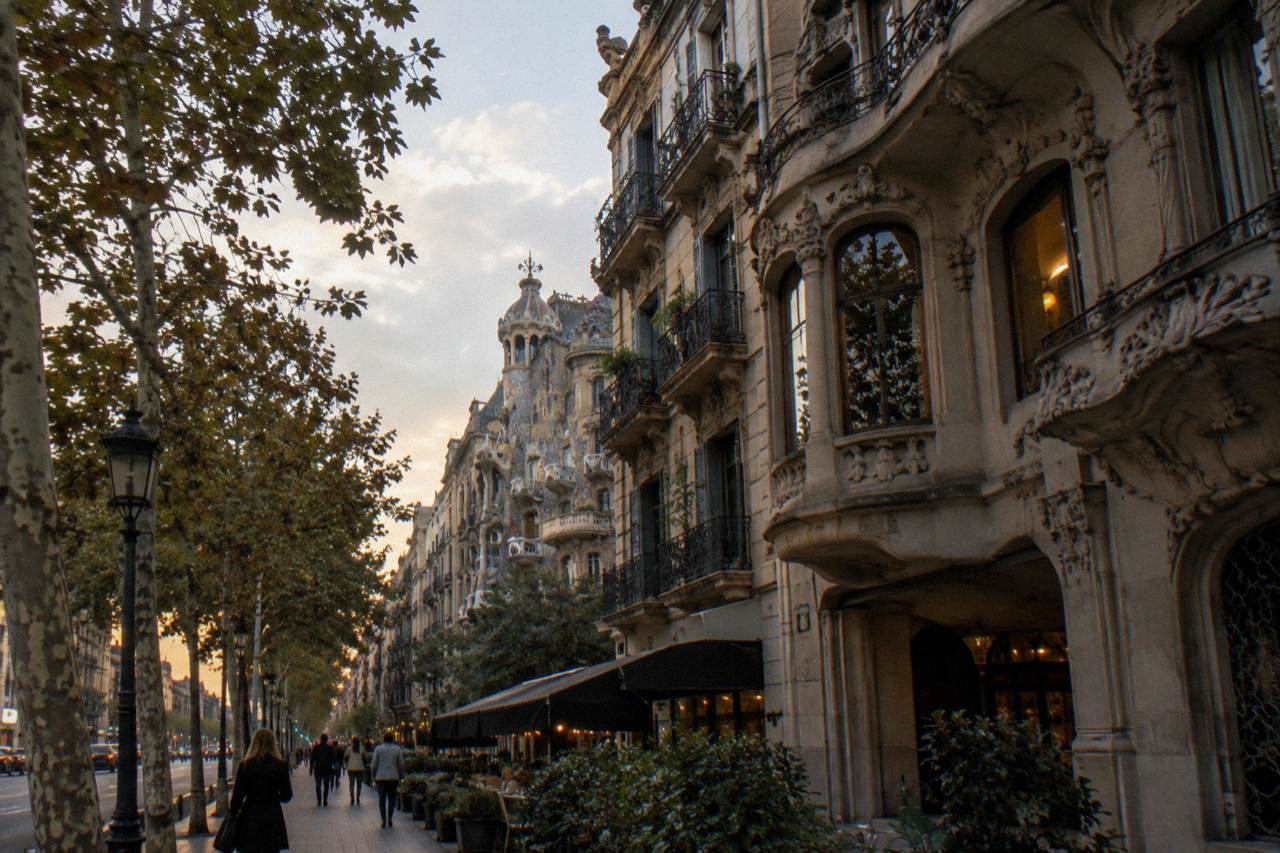
The scale of the amounts matters for perspective. A couple in a holiday let pays EUR 9.50 each per night, and even across a long stay the total stays modest next to the city's ticket prices. A single timed ticket for the Sagrada Família interior costs EUR 26 per person on its own. In other words, the tax is a real line on your bill but a small one, and it shrinks to near-irrelevance if the rest of your itinerary leans on the free side of the city: the beaches, the Barri Gòtic streets, La Rambla, the squares, and the free, pay-what-you-want walking tours listed on this site.
“Fantastic tour with Paula!!! My friend and I had an excellent experience learning about Barcelona and seeing some beautiful landmarks. The tour route was very intentional and Paula is very entertaining. Paula also sends out a personal list of her favorite spots, so I can't wait to come back to Barcelona and try all of her wonderful recommendations.”
That free side is genuinely free, and it is worth being precise about it, because the tax makes some travellers suspicious of every charge in the city. The tax applies to your bed, not to your activities. A GuruWalk tour such as the Gothic Quarter and Born Free Tour, which meets at Plaça Nova by the Cathedral and runs 2 hours 15 minutes in English and Spanish, costs nothing to reserve and nothing to join: you decide what to give the guide at the end. No tourist tax, no booking fee, no minimum. The 46 free walking tours on GuruWalk covered by this site all work the same way.
If the tax and the room rate together are pushing your budget, the honest answer is that the tax is fixed and the itinerary is not. Every euro freed up on entry tickets is a euro the tax cannot touch, and the city gives you a lot of ways to do exactly that. The free versus paid sights guide breaks down which landmarks charge and which you can simply walk up to.
“Mariela gave such an informative tour! It was well paced, she gave lots of interesting history and answered the full range of questions from the group! We went to interesting sights and were left with lots of great tips. Thank you and we would definitely recommend for your first day in Barcelona.”
What Is The Barcelona Tourist Tax?
The Barcelona tourist tax is the combined name for two separate charges on overnight stays: the regional tourist tax set by the Generalitat and a Barcelona municipal surcharge set by the Ajuntament, both collected together by your accommodation at check-in or check-out. From 1 April 2026 the combined totals are EUR 12 per night at five-star hotels, EUR 8.40 at four-star hotels, EUR 9.50 for holiday lets and EUR 7 for other establishments. Each person in the room pays the charge, for each night of the stay, regardless of the room price.
The two-part structure explains why the numbers look the way they do. The regional component has existed for years across Catalonia and is graded by establishment category. The city surcharge is Barcelona's own addition, and it is what has been climbing: the Ajuntament raised it as part of a plan that increases the surcharge year by year rather than in one jump. When you see the combined EUR 12 figure for a five-star stay, that is EUR 7 of regional tax plus EUR 5 of surcharge. The split does not change what you pay, but it explains why the totals move every year or two while the underlying hotel prices do their own thing.
| Establishment type | Total per person, per night (from 1 April 2026) |
|---|---|
| Five-star hotel | EUR 12 |
| Four-star hotel | EUR 8.40 |
| Holiday let | EUR 9.50 |
| Other establishments | EUR 7 |
| Cruise call over 12 hours | EUR 9 |
| Cruise call under 12 hours | EUR 11 |
| Registered youth hostel | EUR 1 regional tax, plus the city surcharge |
Cruise passengers are the odd case, and the numbers run opposite to what you might expect: passengers on calls shorter than 12 hours pay more (EUR 11) than those on longer calls (EUR 9). The logic is that short-stop visitors concentrate pressure on the city without an overnight stay spreading it out, so the charge is higher for the day-trip footprint. If you are arriving by cruise and sleeping on the ship, this is the version of the tax that applies to you, usually billed through the cruise line.
The revenue argument the city makes is that the tax funds tourism management and city services rather than disappearing into general budgets, and the official explanation lives on the barcelona.cat city site. Whether or not that framing persuades you, the practical takeaway is simpler: the tax is per night, so a shorter stay in a more expensive bed can cost more in tax than a longer stay in a cheaper one. A five-star bed costs EUR 12 per person per night, while a registered hostel bed pays EUR 1 in regional tax plus the surcharge. The category of your bed, not the length of your ambition, sets the number.
One more thing worth knowing: the tax is not a deposit, a city fee you can dispute at reception, or something your booking site has already absorbed unless it explicitly says so. Properties collect it from you directly. Budget for it as a fixed, known quantity the moment you have booked a bed, and it stops being a surprise at check-out.
Who Pays It And Where?
Everyone who sleeps overnight in a paid bed in Barcelona pays the tourist tax, with the amount set by the establishment type: hotel guests, hostel guests, holiday-let renters, and cruise passengers on port calls all pay, with the totals ranging from EUR 7 to EUR 12 per person per night. Children are generally not charged by the regional scheme, but the property applies the rules at check-in, so the collection point is always reception, not a government office or a machine.
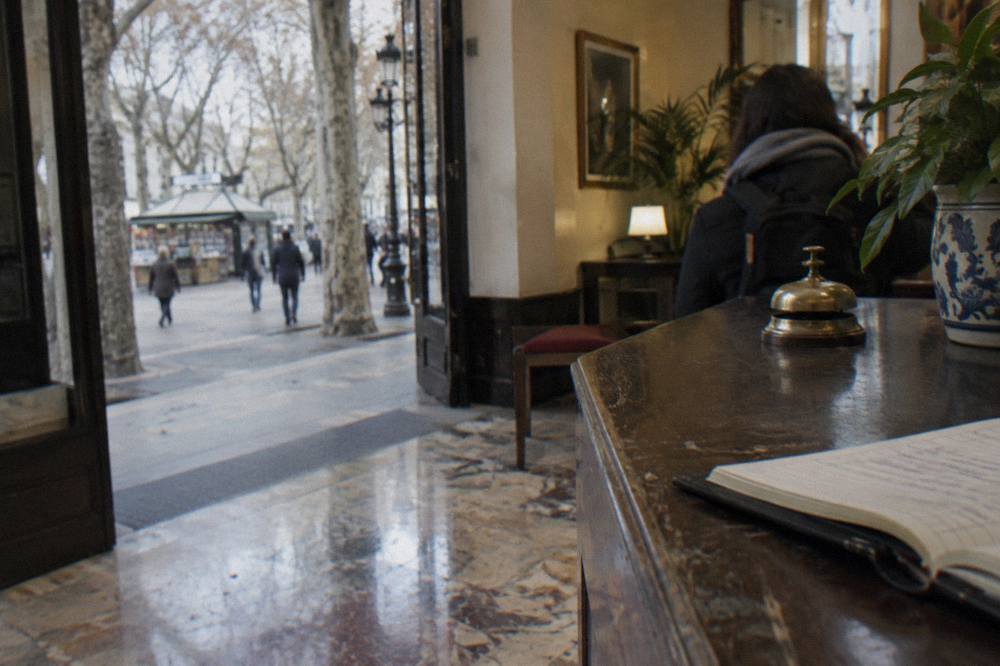
Where you pay is the part people ask about most. Hotels and hostels add the tax to your final bill or ask for it at check-in. Holiday-let hosts collect it through the platform or in person and remit it to the city. Cruise passengers normally never see a separate line: the charge is built into port fees the cruise line pays, which is why many cruise visitors have paid the Barcelona tax without ever knowing it existed. The Ajuntament's own pages set out the rates and the collection duty for properties.
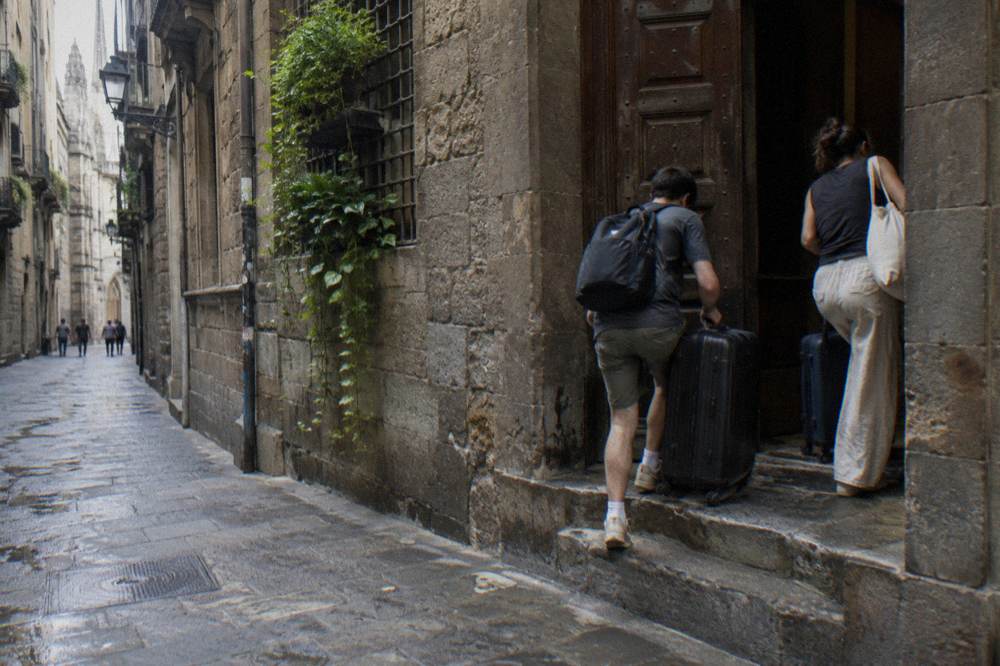
The neighbourhood you sleep in changes nothing about the tax but changes a lot about what you can do once you step outside. Beds around Plaça de Catalunya put you at the meeting point of several GuruWalk tours: the Gothic Quarter and El Born Intro meets there, running 2 hours in English and Spanish, rated 4.68 out of 5 across 3,827 GuruWalk reviews. Beds near La Rambla put you at Canaletes, where the Civil War and Franco History Walk begins its 2 hours 30 minutes in English and Spanish, rated 4.88 out of 5 across 1,299 GuruWalk reviews. Neither walk costs anything to join, tax or otherwise: free, pay what you want, reserved on GuruWalk. Everything else covered here is indexed on Free Things To Do In Barcelona.
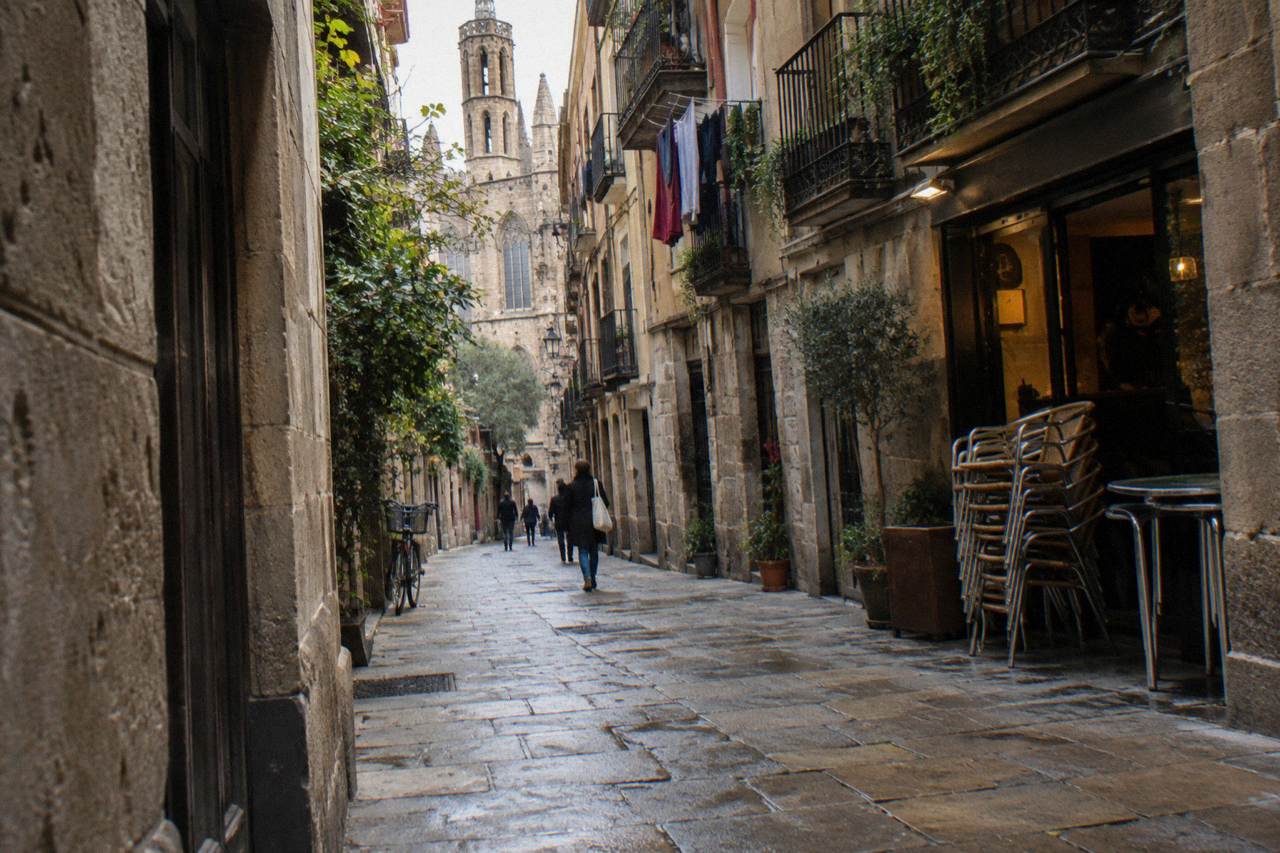
That is the useful mental split for any Barcelona trip. The tax attaches to the bed, and the bed is the one thing you cannot make free. Everything you do between waking up and going back to sleep is where the city opens up: the Barri Gòtic and El Born streets, the beaches, the markets you can walk through paying only for what you buy, and the free windows at museums on Sundays and first Sundays described in the free museums guide. A traveller who pays EUR 9.50 a night in tourist tax on a holiday let and then spends nothing on entry fees for four days has had a cheaper trip than one who paid less tax and bought full-price tickets every afternoon.
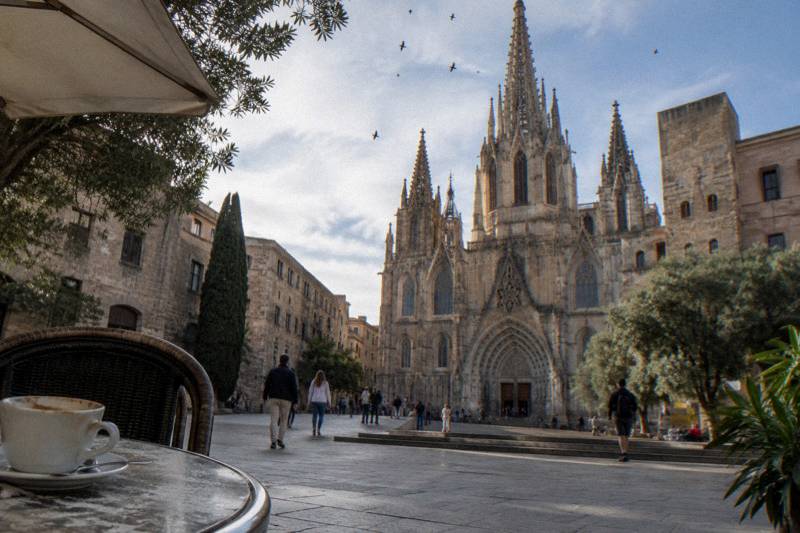
The flagship of that free itinerary is the Gothic Quarter and Born Free Tour, which meets at Plaça Nova by the Cathedral and covers the old town over 2 hours 15 minutes in English and Spanish. It is rated 4.91 out of 5 across 23,047 GuruWalk reviews, one of the largest review pools of any free walk in the city. It costs nothing to reserve on GuruWalk, and at the end you give the guide what you think the walk was worth. For a budget traveller already paying the nightly tax, it is the clearest possible demonstration that the best of Barcelona is not behind a ticket desk.
Where The Tax Stops And The Free City Starts
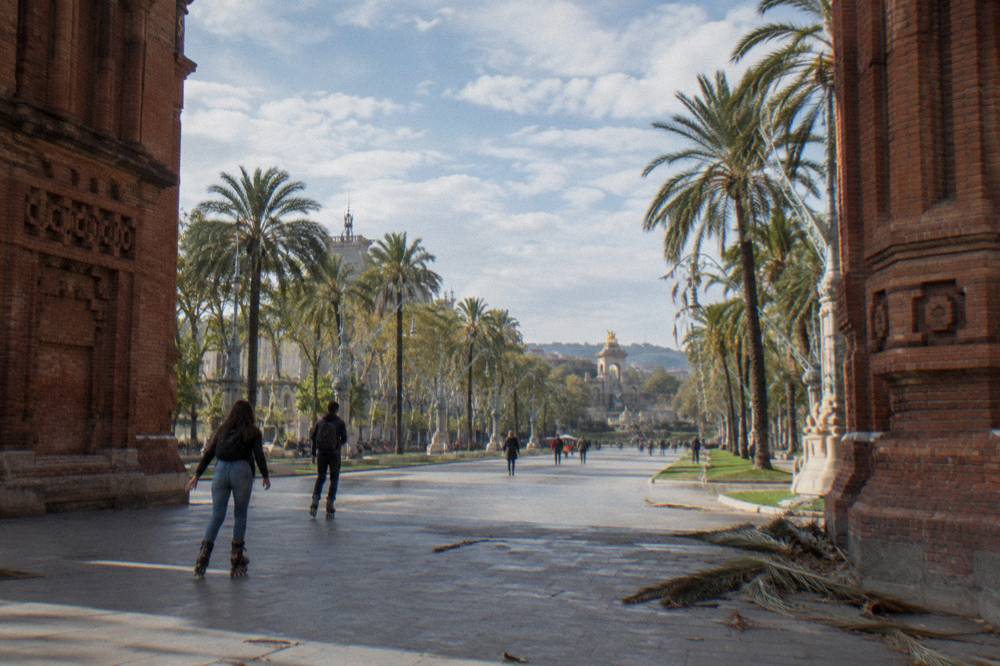
The tax attaches to the bed, and the boundary is worth tracing precisely. Beyond the bed, the public space costs nothing: La Rambla, Plaça de Catalunya, the Arc de Triomf and the El Born streets are free to walk, and the beaches are free public space. The markets are free to walk through, and you pay only for what you buy. None of these carries a surcharge, a booking charge or a tax of its own.
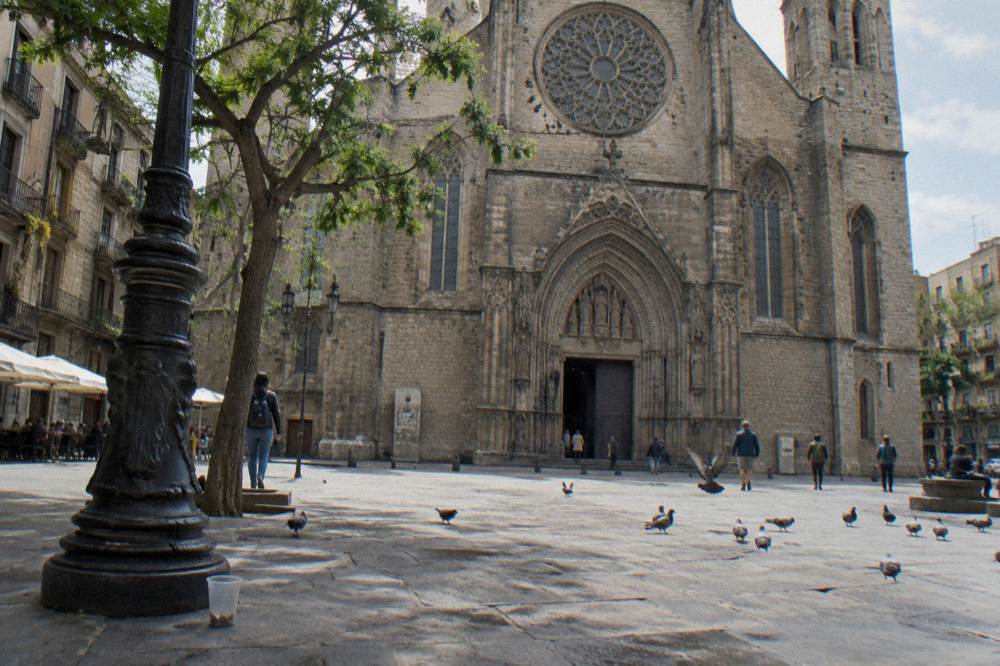
The churches and parks show the same split between free and paid parts. Barcelona Cathedral is free outside the paid tourist-visit hours, and worship is free. Santa Maria del Mar is free only outside its paid cultural-visit hours, which run Monday to Saturday 10:00 to 18:00 and Sunday 13:00 to 18:00. On Montjuïc the hill and park are free while the castle and the Teleféric de Montjuïc cable car are separate paid parts, the cable car return costing EUR 17.10 online with winter hours to 18:00. Castell de Montjuïc is free on Sundays from 15:00 and on the first Sunday of the month; outside those windows, ordinary admission is paid.
Laberint d'Horta is free on Wednesdays and Sundays with capped visitor numbers, and EUR 2.23 as a general ticket otherwise, with winter hours of 10:00 to 18:00. Park Güell's Monumental Zone is paid, EUR 18 general with timed tickets from 9:30 to 17:30, and free only for children 0 to 6, Targeta Rosa holders, people with disabilities and resident or Passi Verd cardholders, with a ticket still required. The walks sit on the free side of every one of these lines: reserved on GuruWalk, free to join, with the walker deciding what to give the guide.
How Does It Affect A Budget Trip?
The tourist tax adds between EUR 7 and EUR 12 per person per night to a Barcelona trip, a fixed amount you can plan for exactly the moment you know your accommodation category, and one you can neutralise by building your days around free activities. It is collected at the property, it does not scale with what you spend in the city, and it never applies to the free, pay-what-you-want walking tours, the beaches, the markets or the public squares that make a cheap Barcelona trip work.
Run the arithmetic on a realistic trip. Two people in a holiday let pay EUR 9.50 each per night, a four-star couple pays EUR 8.40 each, and the difference between bed categories is often smaller than a single paid ticket elsewhere in the itinerary. Add the cost of getting from the airport and a few groceries and the fixed overhead of the trip is still modest, provided the days themselves are free or nearly free. That is entirely achievable. La Rambla, the Barri Gòtic streets, El Born, the beaches and the parks are public space. The city's museum scheme gives away real substance: fifteen city museums free for everyone on the first Sunday of the month, with booking required at Museu Picasso and CCCB, and about a dozen venues free every Sunday from 15:00, each on its own window.
| Trip element | Cost per person | Notes |
|---|---|---|
| Tourist tax, holiday let, per night | EUR 9.50 | Collected by the host |
| Tourist tax, four-star hotel, per night | EUR 8.40 | Added to the hotel bill |
| Gothic Quarter and Born Free Tour | Free, pay what you want | 2 hours 15 minutes, English and Spanish, on GuruWalk |
| Magic Fountain show | Free to watch from the plaza | Thursday to Saturday 20:00 to 21:00 in winter |
| First Sunday at fifteen city museums | Free | Booking required at Picasso and CCCB |
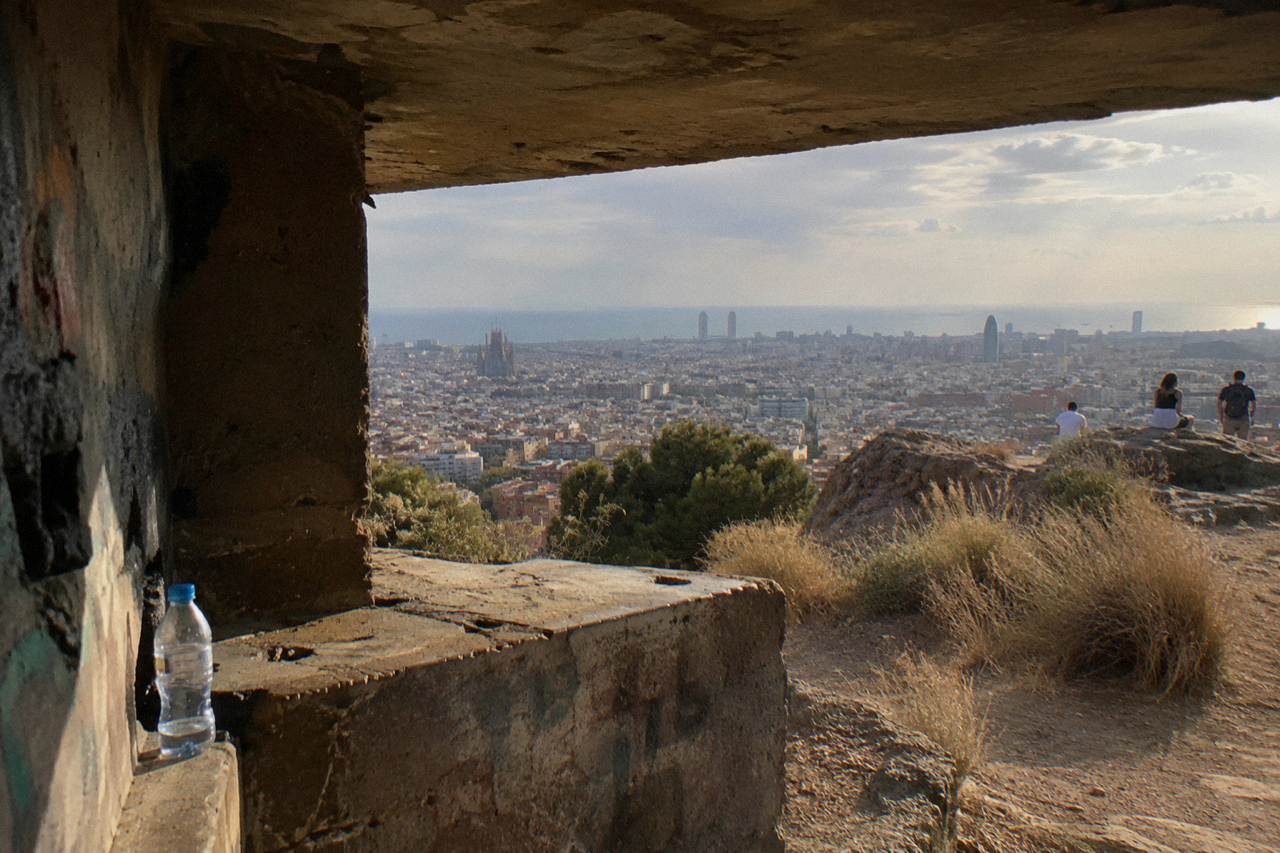
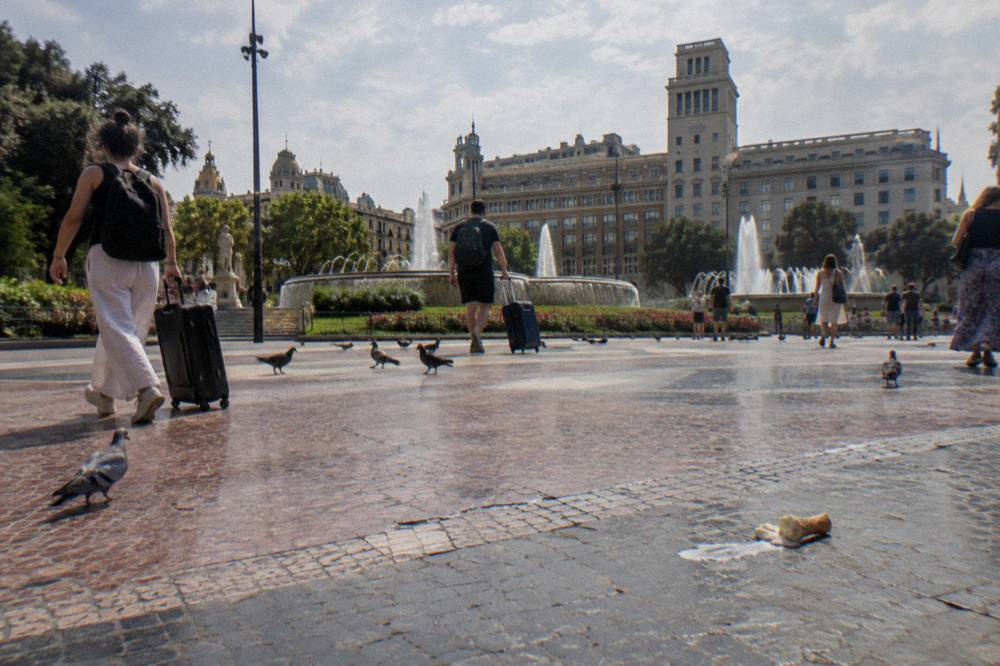
The seasonal free calendar keeps running in winter, which is when a budget traveller wants it most. The Magic Fountain shows are free to watch from the plaza, Thursday, Friday and Saturday from 20:00 to 21:00 between 1 November and 31 March, with choreographies at 20:00 and 20:30; after the maintenance stop at the start of November the shows restart on 19 November 2026. On Montjuïc the hill and park are free while the castle and the cable car are separate paid parts, and the castle is free on Sundays from 15:00 and on the first Sunday of the month. The Bunkers del Carmel viewpoint is free but closes at 17:30 in winter, so plan it for morning. None of these days carries a tourist-tax-style surcharge of its own: free means free.
What the tax should change, if anything, is where you put your bed. Since the amount depends on the establishment category rather than the room price, a mid-category bed in an expensive neighbourhood can cost less tax than a high-category bed in a cheap one. And since the walks cluster around a handful of central meeting points, from Plaça de Catalunya to Plaça Nova to the Arc de Triomf, a bed within reach of any of them lets you fill entire days on foot for nothing. The free walking tour guide lays out how the pay-what-you-want model works and how to choose among the 46 free walking tours on GuruWalk.
The one honest caveat: the tax rises on a schedule, so any article, this one included, states rates that will eventually be superseded. The figures above are the totals in force from 1 April 2026, published by the Ajuntament. If your trip is months away, treat the per-night number as close to final rather than exact, and expect the surcharge component to have stepped up again if the schedule has advanced.
How The Free Museum Windows Stack Up Against The Tax
The fixed nightly tax is easiest to absorb when you know exactly which free windows exist and how they differ. Fifteen city museums are free for everyone on the first Sunday of every month, and about a dozen venues are also free every Sunday from 15:00, but the windows differ per venue, so a budget plan works best when it names the venue and its own window rather than assuming one citywide rule.
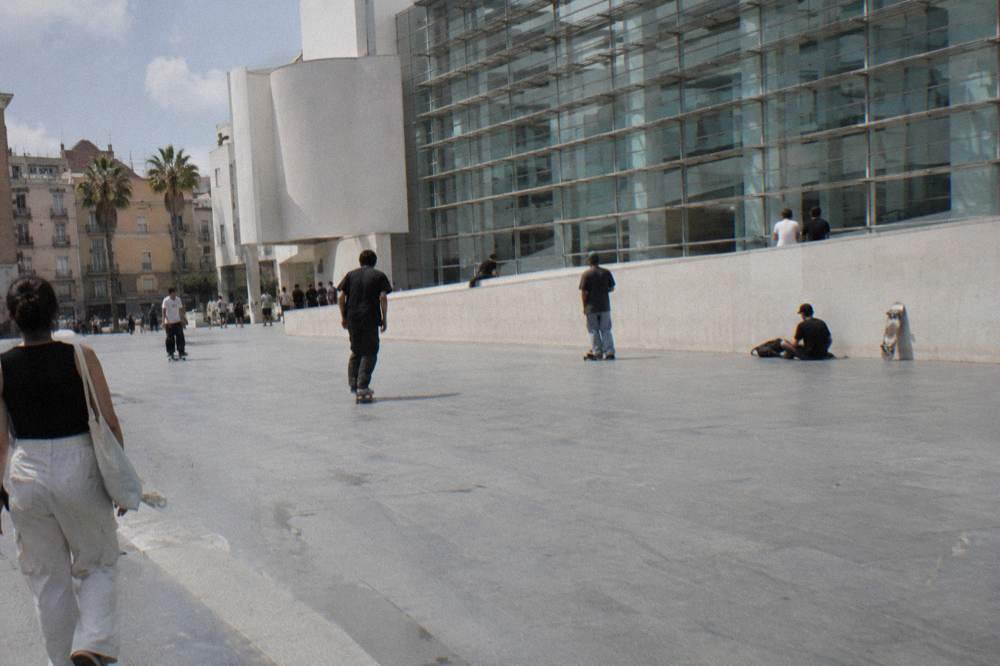
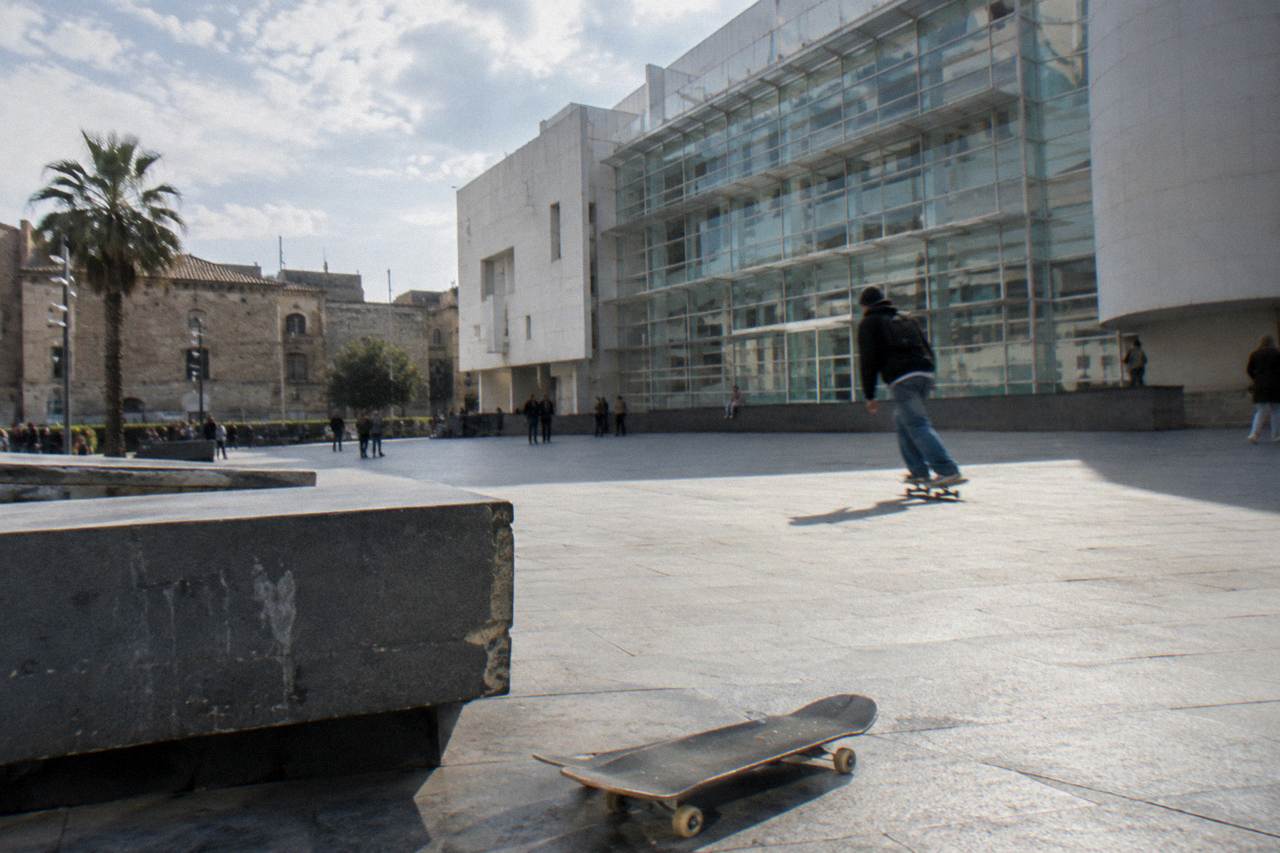
The exceptions matter as much as the scheme. MACBA is free only on Saturday from 16:00 to 20:00 and does not use the Sunday scheme at all. MNAC is free on the first Sunday from 10:00 to 15:00 and on Saturday from 15:00. Museu Picasso is free on the first Sunday with prior online booking, and also free in Thursday slots with booking: Thursday 16:00 to 19:00 from 29 September to 29 March, and Thursday to Saturday 19:00 to 21:00 from 31 March to 27 September. It is not free on ordinary Sunday afternoons, a distinction that catches out travellers who plan a Sunday Picasso visit without checking. CCCB is free on Sunday from 15:00 to 20:00 with online booking.
Put against a tax of EUR 9.50 per person per night in a holiday let, these windows are the offset. A traveller who books the Picasso first-Sunday slot and uses the Saturday MACBA and MNAC windows saves more per day than the tax costs, and none of those museum days carries any fee to reserve on the venues' own terms. The walks stay outside this arithmetic entirely: the 46 free walking tours on GuruWalk, including the Gothic Quarter and Born Free Tour, cost nothing to join at any time of the week, with no booking charge, so the pay-what-you-want model and the free museum windows combine into an itinerary where the nightly tax is the only fixed cost after the bed.
Mistakes That Trip People Up With The Tax
The common mistakes are assuming the tax is already in your booked room rate, expecting children or cruise passengers to be exempt, budgeting a single citywide figure instead of checking your establishment category, and confusing the bed tax with activity costs, which is wrong because every GuruWalk walk in this city is free, pay what you want. Each mistake costs a small amount of money or a moment of annoyance at reception, and each is easy to avoid with the numbers above.
The first mistake is double-budgeting or no-budgeting: travellers either forget the tax entirely and get a surprise bill, or assume their booking price included it. It almost never does. The second is guessing the rate: the spread from EUR 7 to EUR 12 per night is wide enough that the category of your accommodation matters more than any estimate. Look up which band your bed falls into before you travel, and the number is fixed.
The third mistake is treating the tax as a reason to skip the city or to ration its free pleasures, which gets the economics backwards. A holiday-let stay costs EUR 9.50 per person per night in tax; a single Sagrada Família interior ticket costs EUR 26. Choosing free days, from the first-Sunday museums to the pay-what-you-want walks, saves far more than the tax costs. The fourth is assuming free things carry hidden fees: they do not. A GuruWalk reservation costs nothing, the walk costs nothing, and what you give the guide is entirely your decision.
Common Questions On This Topic
How Much Is The Barcelona Tourist Tax Per Night?
From 1 April 2026 the totals are EUR 12 per person per night at five-star hotels, EUR 8.40 at four-star hotels, EUR 9.50 for holiday lets and EUR 7 for other establishments. Registered youth hostels pay EUR 1 in regional tax plus the city surcharge. Cruise passengers pay EUR 9 on calls over 12 hours and EUR 11 on shorter calls.
Who Collects The Barcelona Tourist Tax?
Your accommodation collects it: hotels and hostels add it to your bill or take it at check-in, and holiday-let hosts collect it through the platform or in person, then remit it to the city. Cruise passengers normally pay through the cruise line as part of port fees, so you may never see a separate line.
Do Children Pay The Barcelona Tourist Tax?
The regional scheme generally does not charge children, but enforcement happens at reception, where the property applies the rules to your booking. If you are travelling with children, confirm the treatment with your accommodation before arrival so the check-in bill holds no surprises.
Does The Tourist Tax Apply To Free Walking Tours?
No. The tax applies only to overnight stays. Every walking tour covered on this site is free, pay what you want, reserved on GuruWalk with no fee, including the Gothic Quarter and Born Free Tour, rated 4.91 out of 5 across 23,047 GuruWalk reviews. There is no tax, booking charge or minimum tip on any of them.
Is The Barcelona Tourist Tax Included In The Booked Room Price?
Almost never. The room rate you pay a booking site covers the bed; the tax is a separate per-person, per-night charge the property collects directly. Budget it on top of your accommodation cost, using the establishment category to pick the right figure from EUR 7 to EUR 12.
Will The Barcelona Tourist Tax Go Up Again?
The municipal surcharge component rises on a schedule the city committed to, stepping up year by year rather than in one jump, so the totals published here, in force from 1 April 2026, should be treated as close to final rather than permanent. The Ajuntament's pages carry the current figures if your trip is far ahead.