Is La Boqueria Free To Enter?
Yes, La Boqueria is free to enter. This guide covers what costs money inside, which other Barcelona markets are free to browse, and the walks that end nearby.
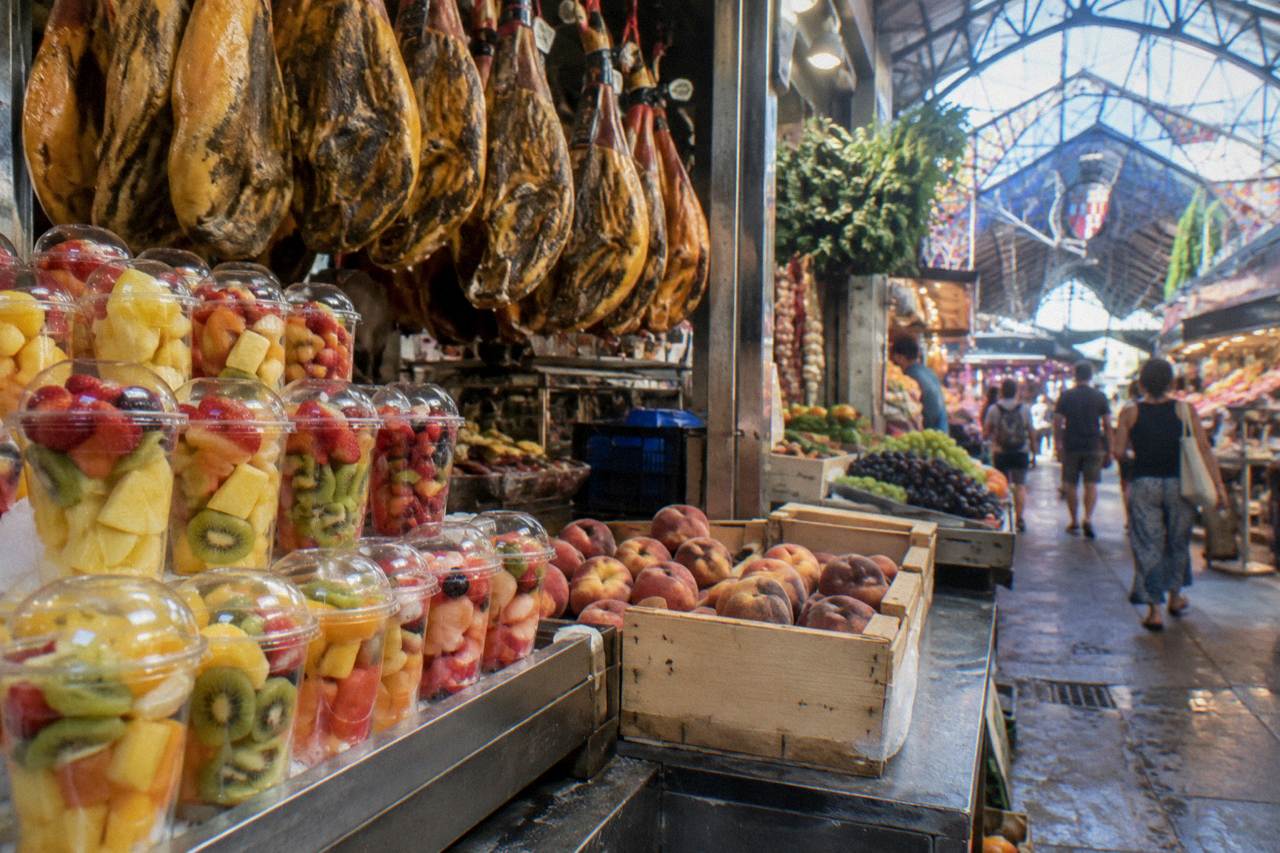
Yes, La Boqueria is free to enter. There is no gate, no ticket desk and no entry charge at the Mercat de la Boqueria on La Rambla: it is a public market and walking through it costs nothing. You pay only for what you buy, so a stroll past the fruit stalls, the fish counters and the jamón hangs is free, while anything you eat, drink or take away is priced by the stall.
In Short
La Boqueria is free to enter, full stop. It is a public market on La Rambla with no ticket and no door charge, and the same rule holds at Barcelona's other markets, including Sant Antoni and Santa Caterina. You only pay for what you buy at a stall. If a free, pay what you want walk is your way into the neighbourhood, the Gothic Quarter and Born Free Tour meets at Plaça Nova by the Cathedral.
This question sits inside the Barcelona markets guide, which covers every market in the city and what each one costs to browse.
Quick Facts
| Question | Answer |
|---|---|
| Does La Boqueria charge entry? | No, entry is free |
| What costs money inside? | Anything a stall sells: food, drink, seating at the bars |
| Are other Barcelona markets free to enter? | Yes, markets are free public spaces; you pay only for purchases |
| Where is it? | On La Rambla, in the Barri Gòtic side of the street |
| Nearest free walk platform | GuruWalk, with walks meeting along La Rambla and at Plaça de Catalunya |
| Free walking tours in the city | 46 free walking tours on GuruWalk |
Is La Boqueria Free To Enter?
Yes, entry to La Boqueria is free, with no ticket, no gate and no minimum spend. The Mercat de la Boqueria is a public market sitting just off La Rambla, and public markets in Barcelona are open spaces anyone can walk through. Everything you pay for inside is a purchase from a stall, nothing more, and there is no entry desk of any kind.
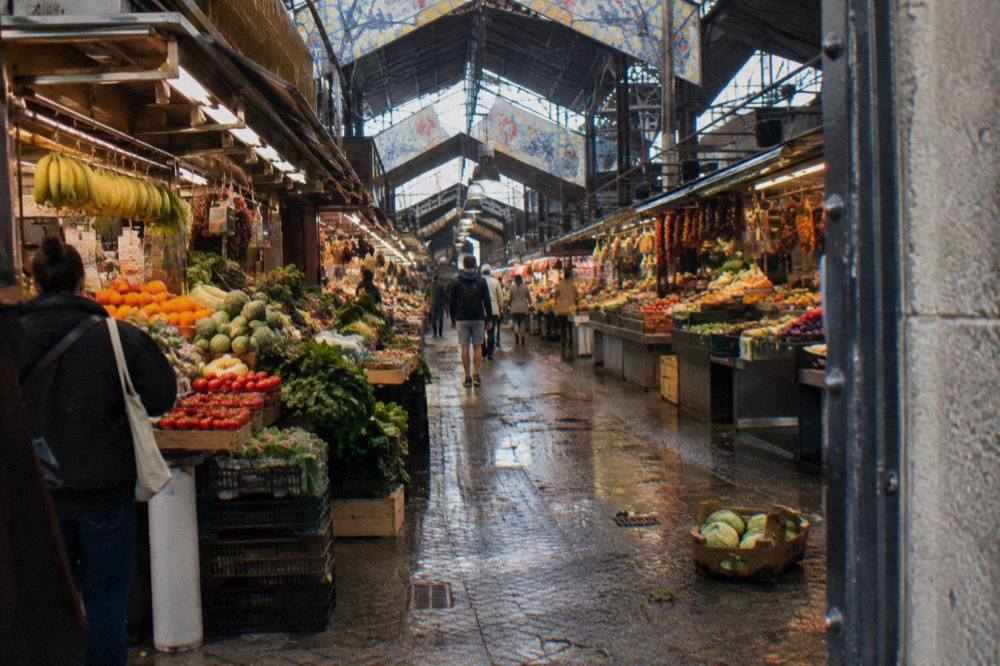
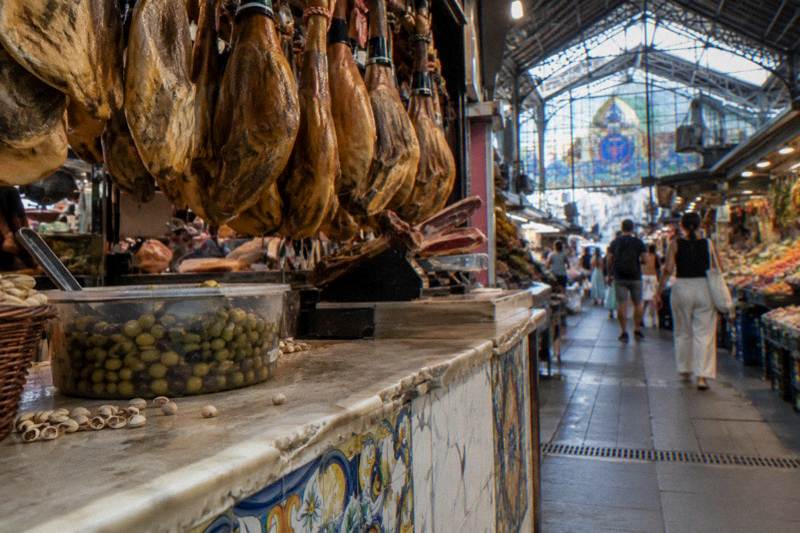
The market's full name is Mercat de Sant Josep de la Boqueria, and it sits on the Rambla, the tree-lined pedestrian avenue that runs from Plaça de Catalunya down toward the port. Because the market is a public food market rather than an attraction with a perimeter, there is no concept of an entrance fee. You walk in off the street the same way the shoppers do, and you can stand at a fish counter, watch a stallholder carve jamón, or photograph the fruit cups without spending anything.
That free-to-walk-through rule is not unique to La Boqueria, either. Barcelona's markets are treated as free public space in the same way the beaches, the squares and the Barri Gòtic streets are: you pay for what you buy, and nothing else. The difference at La Boqueria is that it sits directly on the city's most walked avenue, so it ends up on more itineraries than any other market, and more people arrive wondering whether they need a ticket.
“Chrisa was outstanding. She was very enthusiastic and knowledgeable. She told us many interesting facts and stories. She extended the tour and kept everyone fully engaged. Great tour would recommend highly”
The question people are usually really asking is whether the market has become a paid attraction in disguise. It has not. The market hall is a working food market with a strong tourist trade layered on top, and the two coexist in the same free space. Stalls sell to restaurateurs and to visitors at the same counters, and the only money that changes hands is for goods.
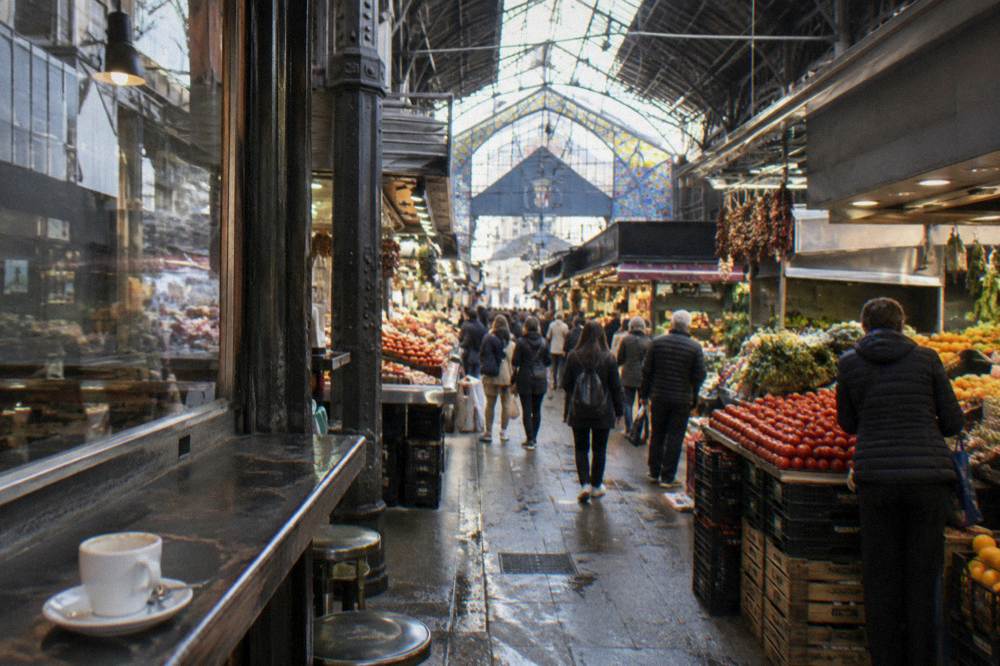
One honest note on how it feels: the stalls nearest the Rambla entrance lean toward ready-to-eat items aimed at visitors, while the deeper rows hold the fish, meat and produce stalls that locals shop from. Nothing about that split costs you money. It just means the first things you see are the things designed to be bought on the spot, and the free visit gets more interesting the deeper you walk.
Because the market sits right on La Rambla, the free walking tours that work this street pass close by. Ramblas to Gaudí Highlights meets at Plaça de Catalunya, runs 2 hours 15 minutes in English and Spanish, and is rated 4.91 out of 5 across 4,761 GuruWalk reviews. It is free, pay what you want, and its GuruWalk page flags costs beyond the tip, such as an entry ticket inside the walk, so read the page before you book. The Gothic Quarter and Born Free Tour, rated 4.91 out of 5 across 23,047 GuruWalk reviews, meets at Plaça Nova by the Cathedral and covers the old town on the market's side of the Rambla.
“The evening tour was quite amazing. It was full of historical information. Aldo was a wonderful guide. He was very knowledgeable!. We ended near Las Rambla. Lots to see!”
All of the walks in that selection, and every walk on this site, run on GuruWalk: each is a real listing run by an independent local guide, free to join with a tip you choose at the end. This site is independent of GuruWalk and its guides, operates none of the walks, and earns a referral fee when a reader reserves through a link here; it links to the guides' own pages there.
Is Entry To La Boqueria Free?
Entry is free, and it stays free however long you stay. There is no time limit, no wristband and no separate tourist entrance: the market is a public hall and the door on the Rambla side opens onto the same rows of stalls for everyone. The only structure inside is commercial, stalls selling food, and none of them can charge you for being there.
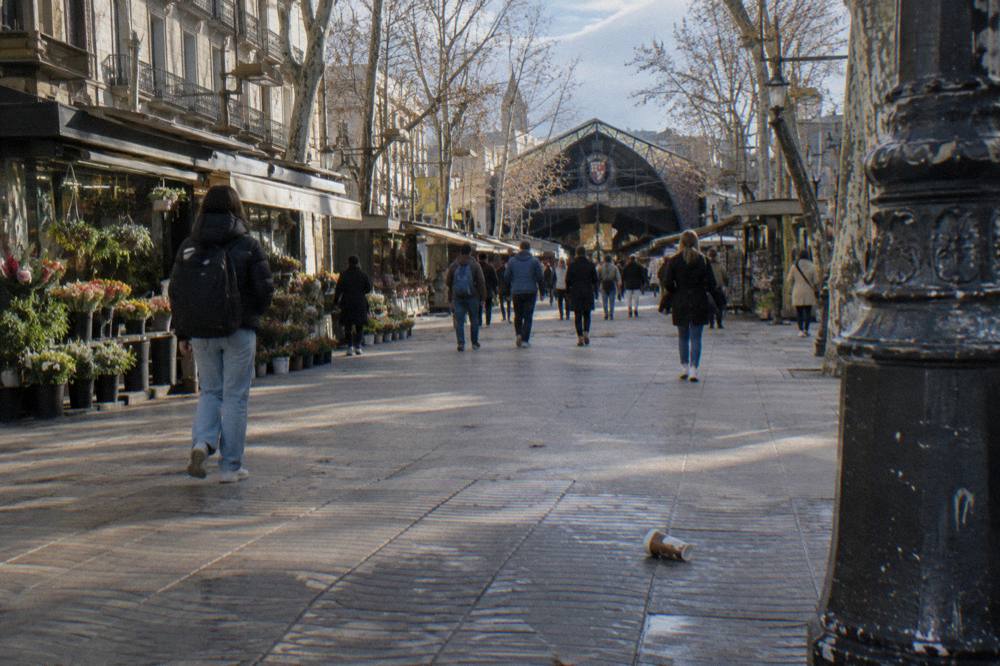
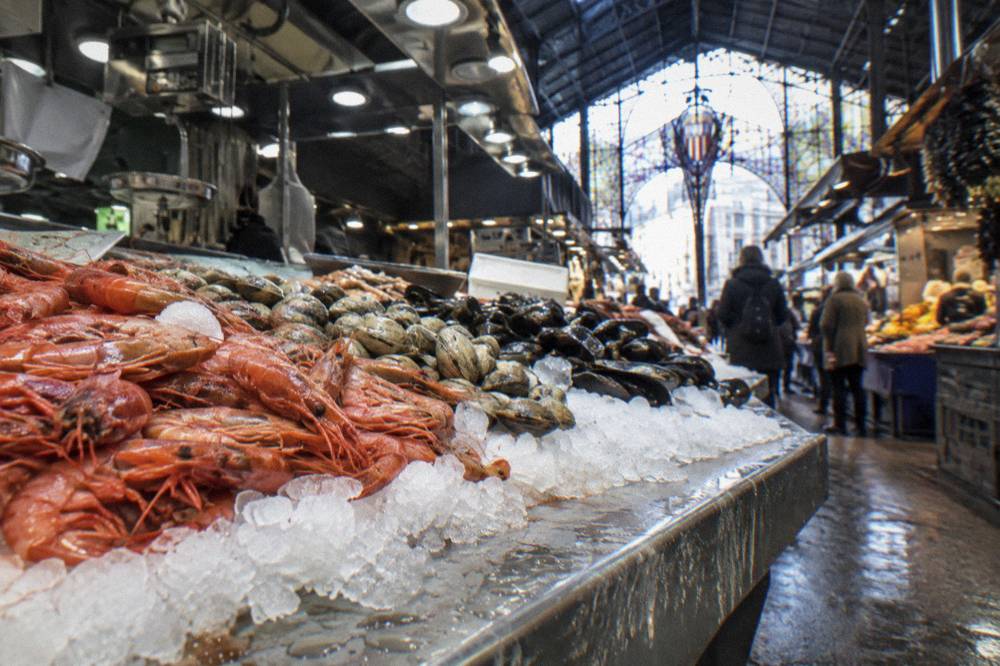
It helps to understand what the building actually is. The Boqueria grew up as an open-air market on the Rambla and was later roofed over with the iron hall you walk into today. It has always functioned as the city's central food market, and its legal status is that of a public market. Public markets in Barcelona are municipal: the hall belongs to the city, the stalls are licensed to individual traders, and the public has free access to the trading floor.
That is why the answer to this question is unambiguous. Attractions charge entry because they control a perimeter. Markets do not have a perimeter to control, and the traders would resist one, since their business depends on shoppers wandering in freely. You could walk the full length of the hall, loop back, and leave again without a single stallholder expecting anything from you.
The free entry also means a visit can be as short or as long as you like. Plenty of people cut through the market as a shortcut with unusual scenery, pausing at nothing. Others do a slow lap of the aisles, watch the fish counters being iced, and leave with photographs and nothing else. Both visits cost the same, which is zero.
What trips people up is expecting the market to behave like a sight. It has none of the apparatus of one: no ticket office, no audioguide desk, no cloakroom. The things you might spend money on, the seated bars and the prepared-food stalls, are ordinary businesses you choose to sit down at, in the same way you would choose a restaurant outside.
If you want the neighbourhood explained rather than just walked, the old town around the market offers the biggest choice of free tours on this site. The Gothic Quarter and Born Free Tour, 2 hours 15 minutes, English and Spanish, rated 4.91 out of 5 across 23,047 GuruWalk reviews, meets at Plaça Nova by the Cathedral, and its GuruWalk page is where you reserve a spot.
What Do You Pay For Inside?
You pay for anything a stall sells, and nothing else: fruit cups, juices, jamón by the gram, cheese, seafood at the counter, tapas and drinks at the seated bars. Prices are set stall by stall with no market-wide tariff, so identical items can cost different amounts two aisles apart. The visit itself, and the walking, remains free.
The spending inside the Boqueria falls into three rough groups, and it is worth knowing them before you go so the market's economics do not surprise you.
| What you buy | Where | How pricing works |
|---|---|---|
| Prepared food and juices | Stalls near the Rambla entrance | Priced per item or per cup, set by each stall |
| Jamón, cheese, olives, dry goods | Delicatessen stalls | Typically by weight or per portion, quoted at the counter |
| Tapas, seafood, drinks | Seated bars inside the hall | Menu prices per dish, like any bar |
The first group is the ready-to-eat trade: fruit salads, smoothies, conchas and skewers, sold from the stalls you meet first. This is the part of the market built for people walking through rather than cooking, and it is the part where prices are most visible and easiest to compare between neighbouring stalls. Nothing obliges you to buy, and the display alone is most of the show.
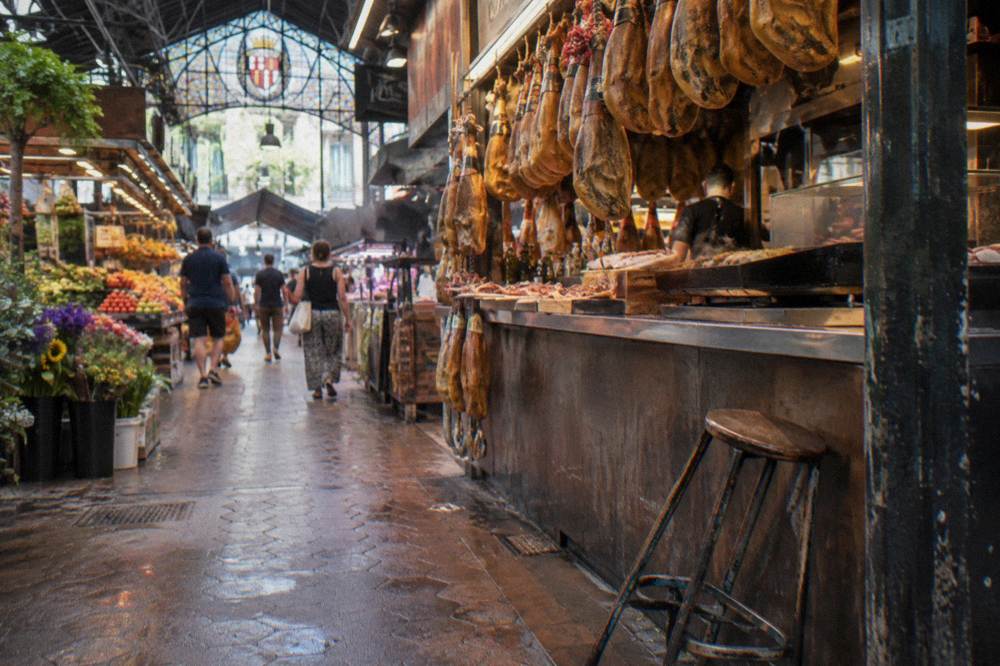
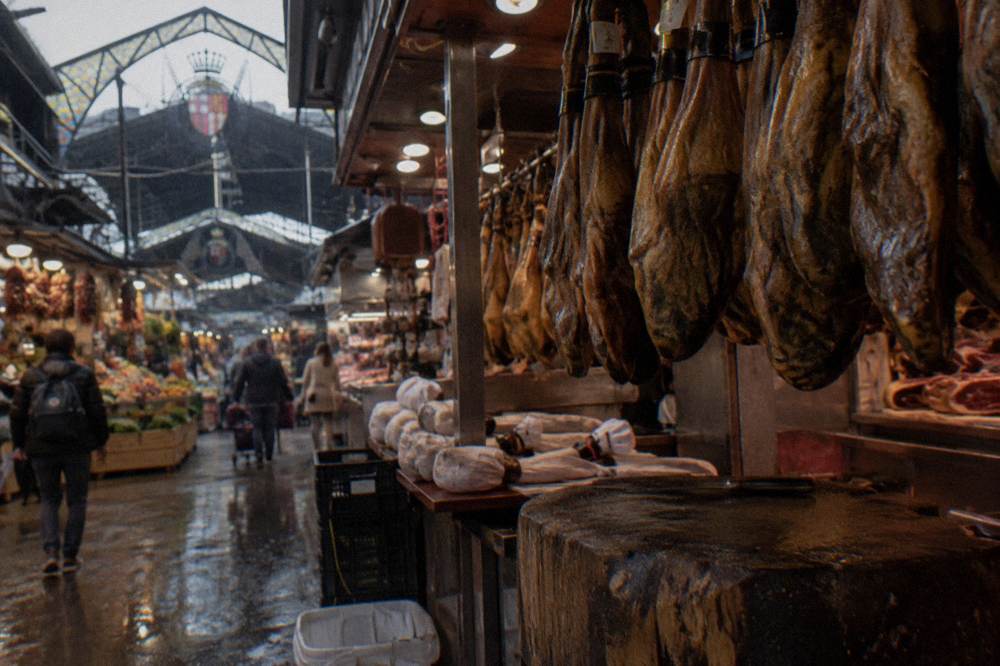
The second group is the produce trade: legs of jamón hanging over the counters, cheeses, olives, spices, coffee and chocolate by the box. These stalls sell by weight or by portion, and they quote at the counter. If you are cooking, this is the real market; if you are visiting, it is the best free viewing, because the hanging jamón and the stacked cheeses are what the hall looks like in every photograph.
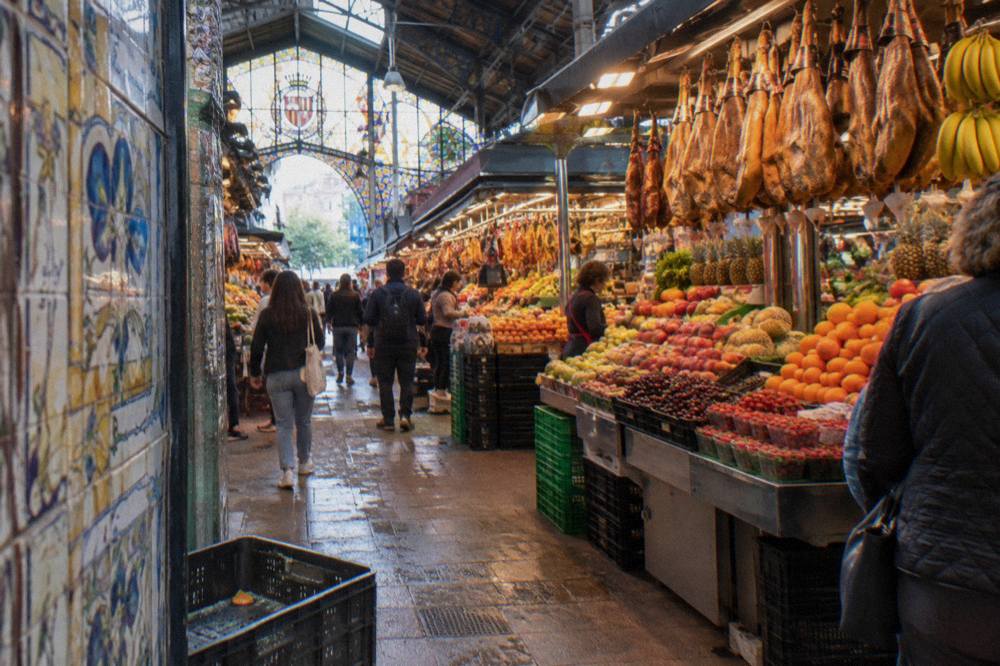
The third group is the seated bars, several of them long-standing businesses inside the hall where you sit down for tapas, seafood plates or a beer. These operate like any restaurant: menu, prices, table service. Choosing one of them is a meal decision, not a market entry decision, and the free visit does not change if you skip them all.
The honest way to plan the money side is to treat the Boqueria as a shop you walk through, not a sight you pay for. Bring a budget for what you want to eat, compare a stall or two before you buy, and let the browsing be free. The markets guide on this site carries the fuller picture of what each market in the city sells, and the free walking tour guide explains how the pay what you want model works across the walks on GuruWalk.
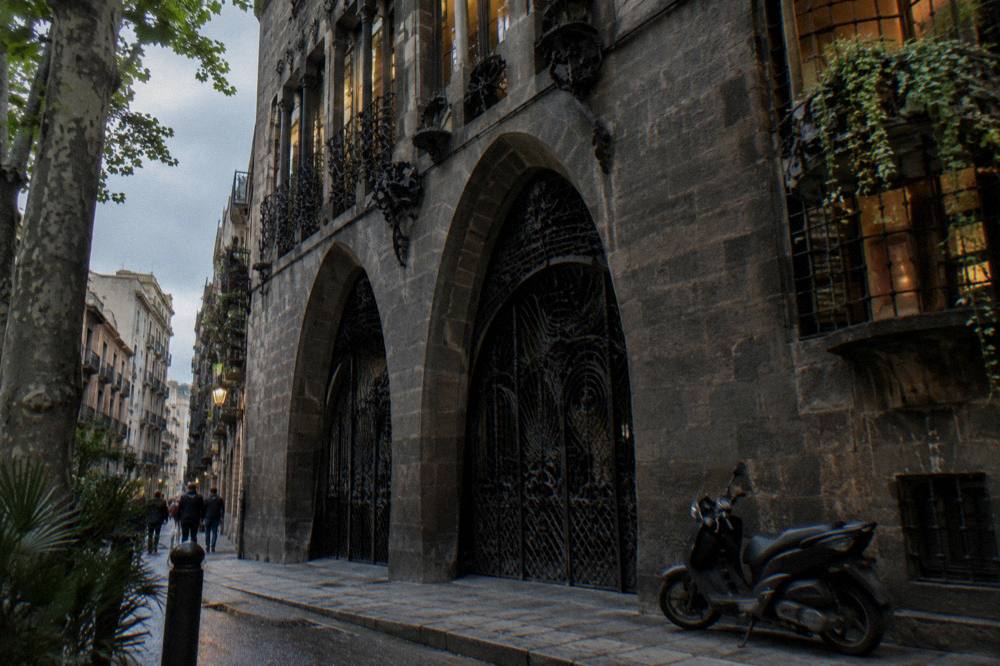
How The Market Split Compares With Paid Attractions Nearby
The Boqueria's model, a free hall with paid stalls, becomes easier to appreciate when you set it against the attractions around it that do charge. Park Güell's Monumental Zone sells timed tickets for EUR 18 general admission, with reduced EUR 13.50 tickets for ages 7 to 12 and over 65, and free entry only for children 0 to 6, Targeta Rosa holders, people with disabilities and resident or Passi Verd card holders, who still need a ticket. Nothing inside the Boqueria works that way: there is no timed slot, no age band and no card check, only goods priced at the counter.
Sagrada Família makes the same contrast from the other direction. Its facades can be seen from the street free, while the interior needs a timed ticket at EUR 26 general, EUR 24 for students and under-30s, EUR 21 for seniors. The market gives you the equivalent of the street view throughout: the whole trading floor, the fish counters and the jamón hangs are the free layer, and only what you consume carries a price.
| Place | Free part | Paid part |
|---|---|---|
| La Boqueria | Walking the hall, browsing every stall | Anything a stall sells |
| Park Güell Monumental Zone | Only listed groups: 0 to 6, Targeta Rosa, disability, resident or Passi Verd | EUR 18 general, EUR 13.50 ages 7 to 12 and over 65 |
| Sagrada Família | Facades from the street | EUR 26 interior, EUR 24 students and under-30s, EUR 21 seniors |
| Castell de Montjuïc | Sundays from 15:00 and the first Sunday of the month | Admission outside those windows |
| Laberint d'Horta | Wednesdays and Sundays, capped numbers | EUR 2.23 general ticket otherwise |
Two entries in that table show a third pattern, the conditional free window, which the Boqueria does not need. Castell de Montjuïc is free on Sunday afternoons and first Sundays, and Laberint d'Horta is free on Wednesdays and Sundays with capped visitor numbers, EUR 2.23 otherwise. The market has no window at all because there is nothing to gate: your visit costs the same on any day of the week, and the only arithmetic is what you choose to buy.
Which Other Markets Are Worth A Look?
Barcelona's other markets are also free to enter, including Mercat de Sant Antoni and Mercat de Santa Caterina, and each gives you the same deal as the Boqueria: free hall, pay only at the stalls. The differences are in atmosphere and produce, not in access, so choosing between them is a matter of neighbourhood and appetite rather than ticket price.
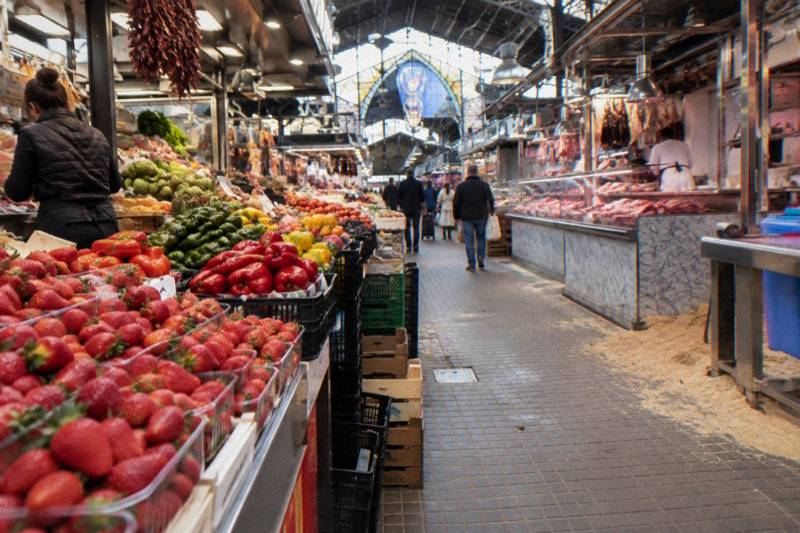
Sant Antoni, in the neighbourhood of the same name, is the market most often named as the local alternative. Its restored iron hall serves the surrounding streets rather than the Rambla crowd, so the balance of the stalls tilts toward groceries: fish, meat, vegetables, bread. The free-entry rule is identical. You walk in, you browse, you buy or you do not.
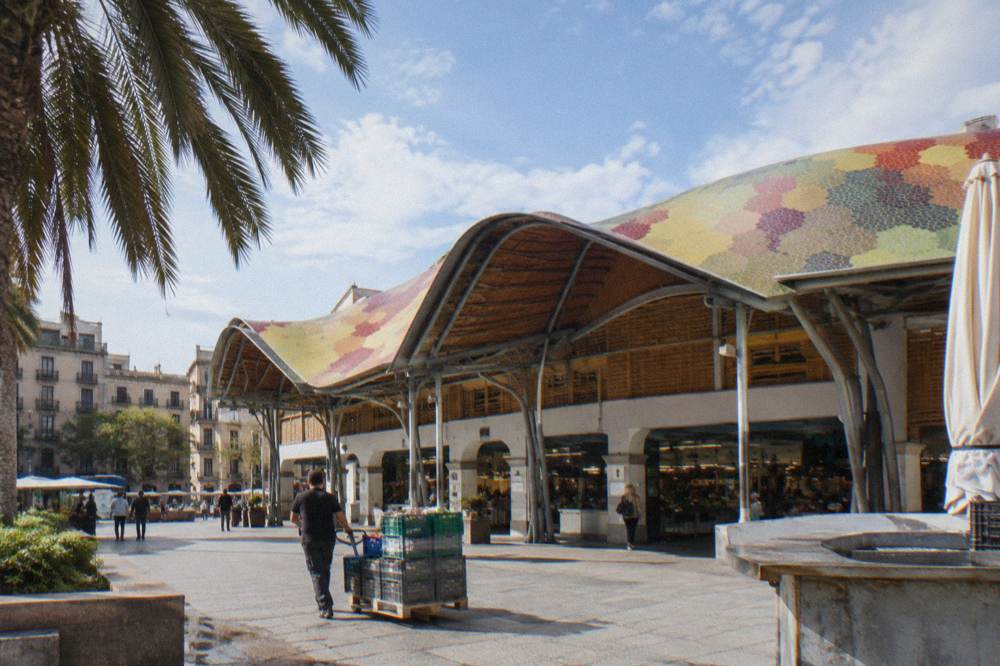
Santa Caterina, on the edge of El Born next to the former convent site, is the one with the wave-shaped mosaic roof, one of the most recognisable market buildings in the city. Inside it is a working food market with a produce floor and bars at the edges, and again access is free. Its position makes it a natural pairing with an El Born wander, and the free walks that work that side of the old town pass through the same streets.
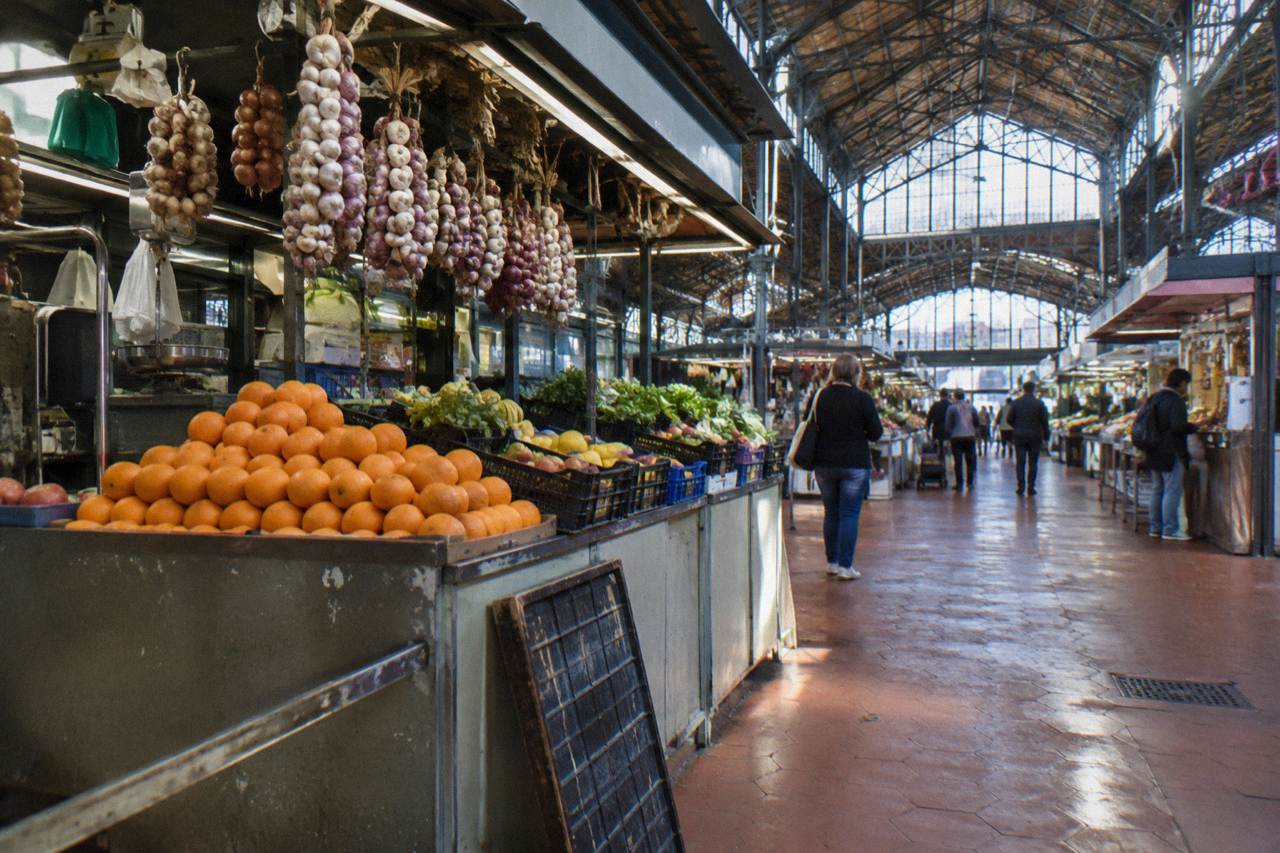
Beyond those two, the city's neighbourhood markets all follow the same pattern: free public halls, licensed stalls, purchases only. If you have enjoyed the Boqueria as a free visit, any of them will give you the same experience with fewer cameras and more shopping trolleys, which some people prefer.
The practical way to combine markets with a walk is to match the market to the meeting point. Sant Antoni sits in the Eixample and Poble Sec corner of the city, where the Non-Touristy Eixample and Poble Sec walk, English and Spanish, rated 4.82 out of 5 across 57 GuruWalk reviews, starts from Avinguda del Paral·lel. Santa Caterina sits by El Born, where the 10+ Hidden Gems History Tour, English, 2 hours, rated 4.82 out of 5 across 203 GuruWalk reviews, meets at Passeig de Picasso by Ciutadella. Both are free, pay what you want, on GuruWalk.
For a fuller rundown of which market sells what, and which ones pair best with a free walk, the markets guide linked above covers them all, and Free Things To Do In Barcelona keeps the whole free-and-paid picture in one place.
Free Layers That Stack With A Market Visit
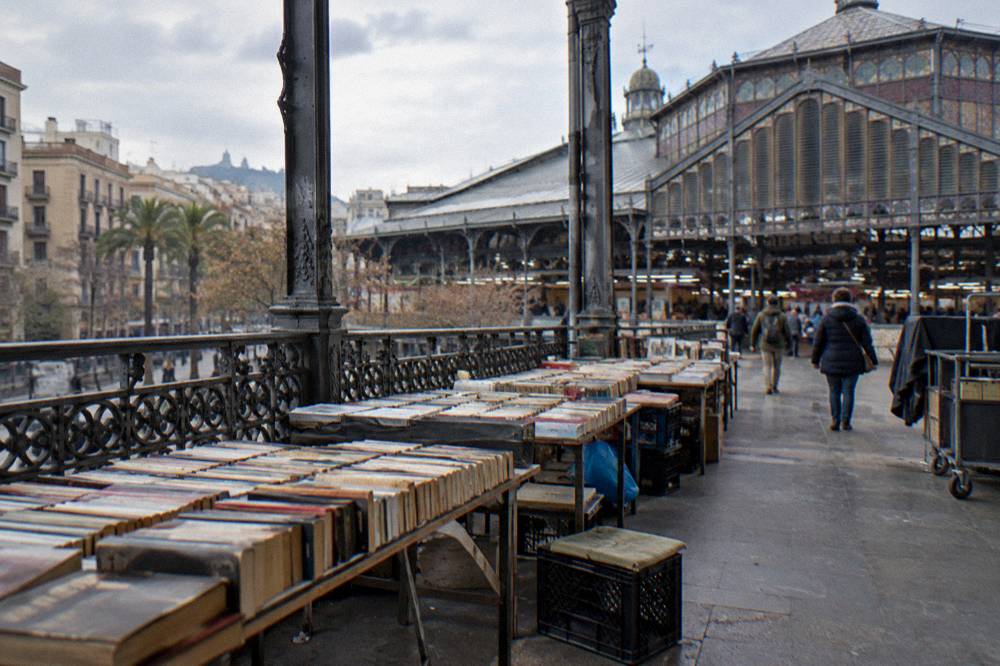
The free pieces around the markets stack neatly because several of them touch each other. La Rambla is a public space, free to walk, and it runs from Plaça de Catalunya, also free public space, down toward the port with the Boqueria opening off it. A route that starts at the square, walks the Rambla and cuts through the market hall costs nothing at any stage, and Sant Antoni adds a further free layer: its Sunday book and collectables market runs outside the hall, so on a Sunday you get the free iron hall and the free outdoor stalls in one visit.
The museum free-day schemes pair with a market stop in the same way. Fifteen city museums are free for everyone on the first Sunday of every month, not residents only, though booking is required at Museu Picasso and CCCB. About a dozen venues are also free every Sunday from 15:00, with windows that differ per venue: MNAC is free on the first Sunday 10:00 to 15:00 and on Saturday from 15:00, MACBA on Saturday 16:00 to 20:00 only, Museu Picasso on the first Sunday plus Thursday evening slots with booking, never ordinary Sunday afternoons, and CCCB on Sunday 15:00 to 20:00 with online booking. A first-Sunday morning at the market followed by an afternoon museum window turns one free day into two free halves.
Jardí Botànic doubles both patterns: free on the first Sunday and every Sunday from 15:00, EUR 5 otherwise. The honest planning move is to treat every free item by its condition. The markets and the streets need no condition at all, the Sunday museums need their specific window and sometimes a booking, and the hill sites split their parts, Montjuïc hill and park free while the castle and the Teleféric de Montjuïc cable car are separate, with the castle free on Sundays from 15:00 and first Sundays. Get each condition right and a whole Barcelona day can run on purchases alone.
Mistakes That Trip People Up At La Boqueria
The common mistakes all come from treating a free public market like a paid attraction: expecting a ticket desk that does not exist, budgeting as if entry were charged, assuming the first stalls set the market's real prices, and missing that everything except purchases is free. None of these cost much, but each one changes how the visit feels. Get the frame right and the market is one of the best free hours in the city.
The first mistake is planning around an entry fee that is not there. People arrive expecting to buy a ticket, ask where the entrance is, and are confused when told to just walk in. There is nothing to book and nothing to pay to cross the threshold, so no part of your planning needs to account for entry.
The second is the opposite error: assuming free entry means a free meal. It does not. The stalls are businesses, the seated bars are restaurants, and everything edible inside is sold at the counter. The free part of the Boqueria is the hall, the browsing and the spectacle, and it is generous with all three.
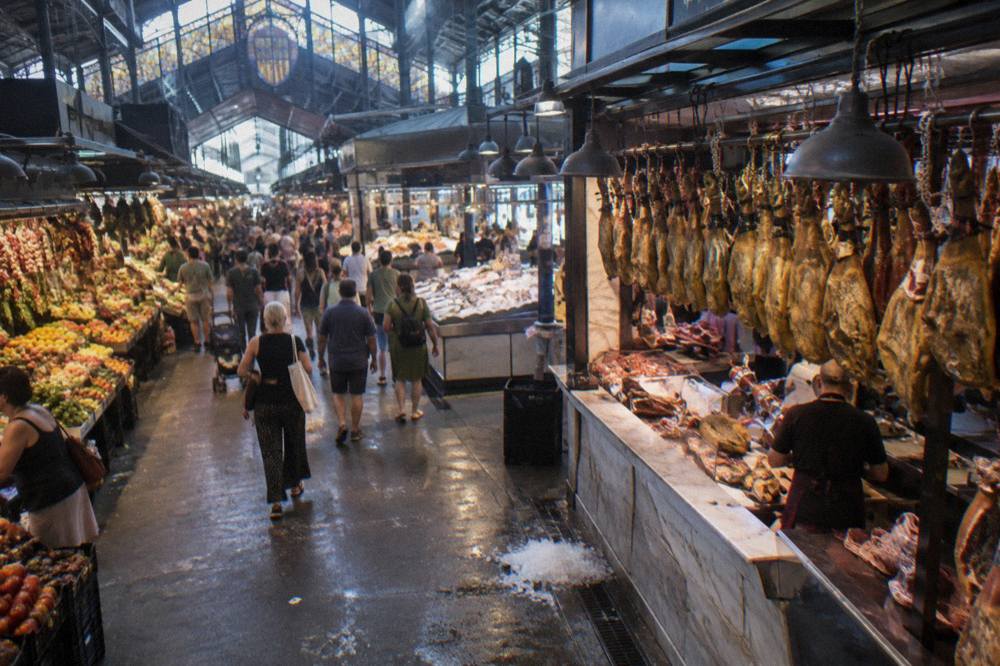
The third mistake is judging the market by its front rows. The stalls nearest the Rambla entrance are the ones built for passers-by, and the deeper aisles are where the fish, meat and produce trade happens. Walking past the first twenty metres changes what kind of market you are looking at, at no cost.
The fourth is forgetting that the market sits inside a neighbourhood that is itself free to walk. The Rambla outside the door, the Barri Gòtic streets behind it and the squares between are all free public space, and a market visit slots easily into a longer free walk of the old town. The Ramblas to Gaudí Highlights walk, rated 4.91 out of 5 across 4,761 GuruWalk reviews, is the natural fit: free, pay what you want, meeting at Plaça de Catalunya, in English and Spanish, 2 hours 15 minutes.
The last mistake is assuming you need a paid tour to understand the market and its neighbourhood. You do not. Every walk named in this article is free to join with a tip you choose, every one runs on GuruWalk, and the city has 46 free walking tours listed there in all. Reserve on the walk's own GuruWalk page, turn up at the meeting point, and decide at the end what the guide's work was worth to you.
Common Questions On This Topic
Is La Boqueria Free To Enter?
Yes. La Boqueria is a public market with no gate, ticket desk or entry charge. You walk in off La Rambla like any shopper, and the only money you spend inside is on things you buy from a stall.
Do You Have To Buy Anything At La Boqueria?
No. There is no minimum spend and no expectation that browsers buy. Plenty of people walk the aisles, look at the fish counters and the hanging jamón, and leave without purchasing anything at all.
Are The Other Barcelona Markets Free To Enter Too?
Yes. Mercat de Sant Antoni and Mercat de Santa Caterina, like the city's other markets, are free public halls where you pay only for what you buy. Access never carries a charge at any of them.
Is There A Tourist Price At La Boqueria?
No, there is one price list per stall and it applies to everyone. What varies is what different stalls charge for similar items, so comparing a counter or two before buying is the sensible move.
Can A Free Walking Tour Include The Market Area?
Several free, pay what you want walks on GuruWalk work the Ramblas and the Gothic Quarter around the market, including Ramblas to Gaudí Highlights, which meets at Plaça de Catalunya. Reserve on the walk's own GuruWalk page.
What Is Free Inside La Boqueria?
Everything except purchases: the walk through the hall, the browsing, the stall displays, the fish and jamón counters. Food, drink and anything you take away is paid for at the stall that sells it.