Barcelona Markets: What Is Free And What You Pay
Barcelona's markets cost nothing to enter. You pay only for what you buy, and each mercat sits in a neighbourhood where a free, pay what you want GuruWalk walk starts nearby.
In Short
Every Barcelona market in this guide is free to enter, including the Boqueria, Sant Antoni and Santa Caterina: you pay only for what you buy. There is no entry ticket, no gate and no minimum spend at any of them. Pairing a market with a free walking tour is straightforward, because walks start at landmarks like Plaça de Catalunya and Plaça Nova, Cathedral, right beside the main markets.
Barcelona runs on its markets. The Boqueria alone sits halfway down La Rambla, and around it the city keeps a network of neighbourhood mercats, a flea market and a seaside market hall, every one of them free to walk into. Part of the Free Things To Do In Barcelona guides, this page covers what entering costs, which market suits which visit, what you actually pay for inside, and how to fold a market stop into a free walking tour.
Quick Facts
| Question | Answer |
|---|---|
| Do markets cost anything to enter? | No, entry is free at every market in this guide |
| What do you pay for inside? | Only what you buy: food, drinks, goods, flea-market finds |
| Is the Boqueria free to enter? | Yes, free to walk through; you pay for what you buy |
| How many free walking tours cover market neighbourhoods? | 46 free walking tours on GuruWalk across the city |
| Are markets public space like the squares? | Yes, market halls are free to enter like La Rambla and the Barri Gòtic streets |
| Where do the nearby free walks meet? | Plaça de Catalunya, Plaça Nova by the Cathedral, Arc de Triomf |
Are Barcelona Markets Free To Enter?
Yes, every market in this guide is free to enter, and that includes the famous ones. The Boqueria, Sant Antoni, Santa Caterina, the Gràcia market, the Encants flea market, the Barceloneta market and the Concepció market all cost nothing to walk into. Markets are free public space in the same way the beaches, La Rambla and the Barri Gòtic streets are: you pay only for what you buy, never for the door.
That simplicity is worth spelling out because plenty of visitors arrive half expecting a ticket. There is none. A market hall in Barcelona works like a covered street: stalls on either side, shoppers moving through, and money changing hands only at the counters. The fruit, the seafood, the jamón, the cheese and the flea-market furniture all carry prices. Walking past them, photographing the hall, breathing it in, costs nothing at all.
“I booked the tour with no clear expectation of what places & stories would wait for me. Nevertheless Aaron did an amazing job of presenting the dark stories of Barcelona and connecting the dots between them.”
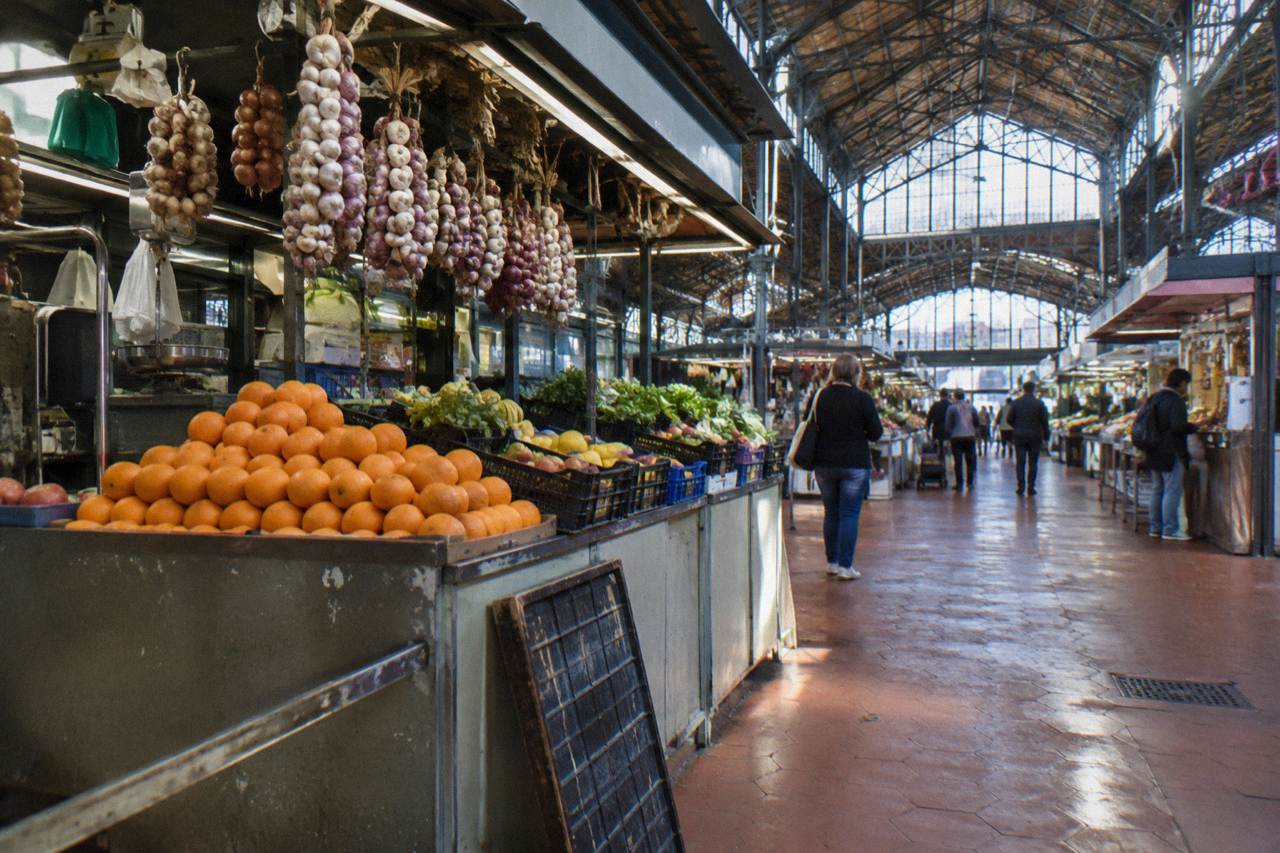
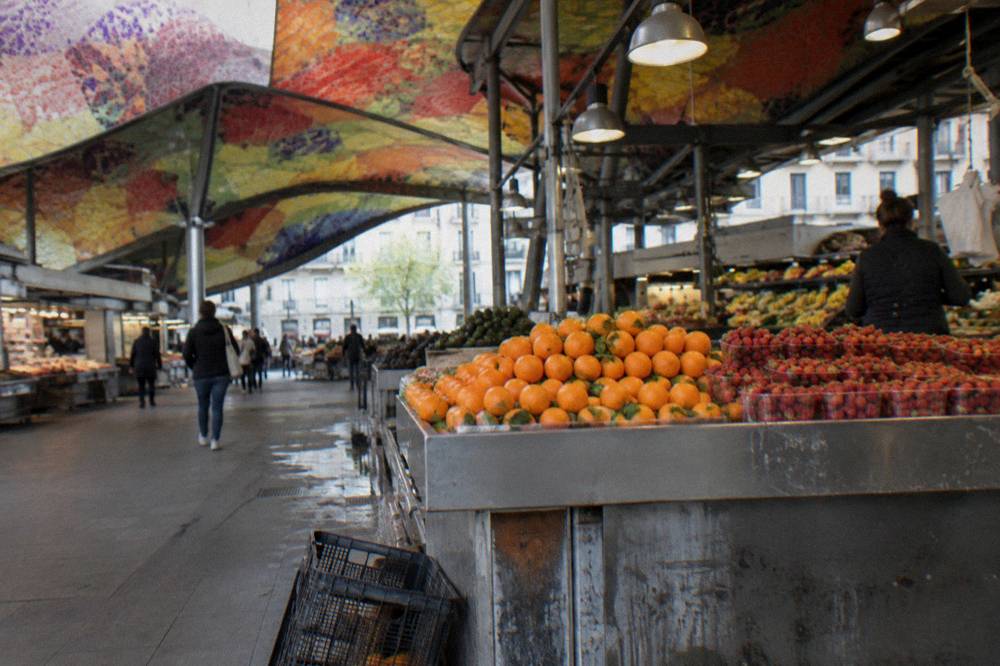
The Boqueria is the one people worry about, because its fame makes it feel like an attraction. It is a working market on La Rambla, and the answer to the entry question is on our Is The Boqueria Free To Enter? page: free to walk through, with purchases the only cost. The same rule holds at Sant Antoni, where the restored iron hall anchors a neighbourhood that has its own weekend book and coin market outside, and at Santa Caterina, the wave-roofed hall in El Born.
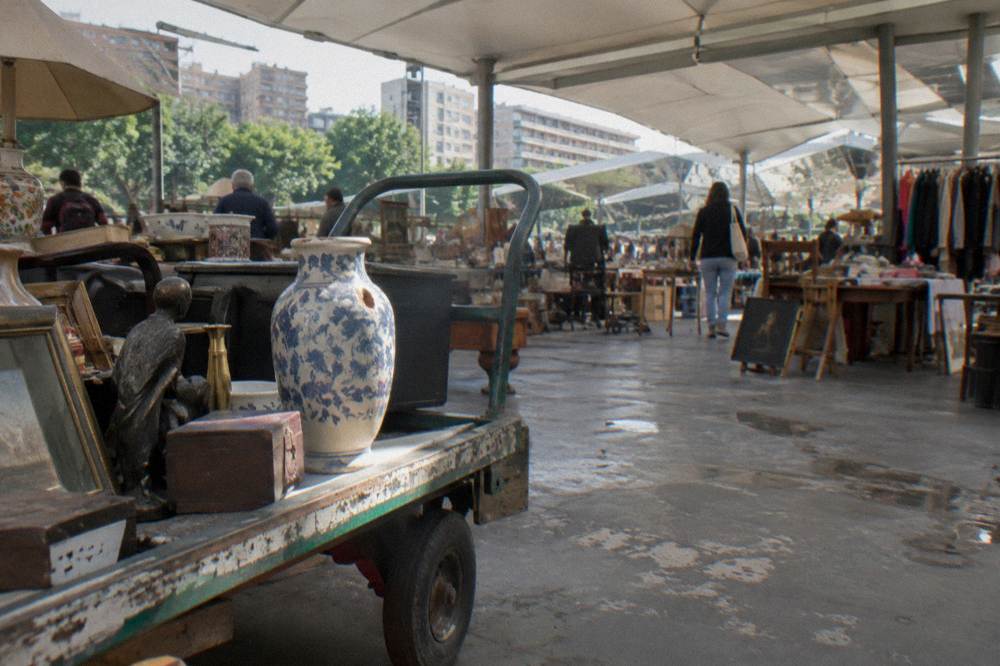
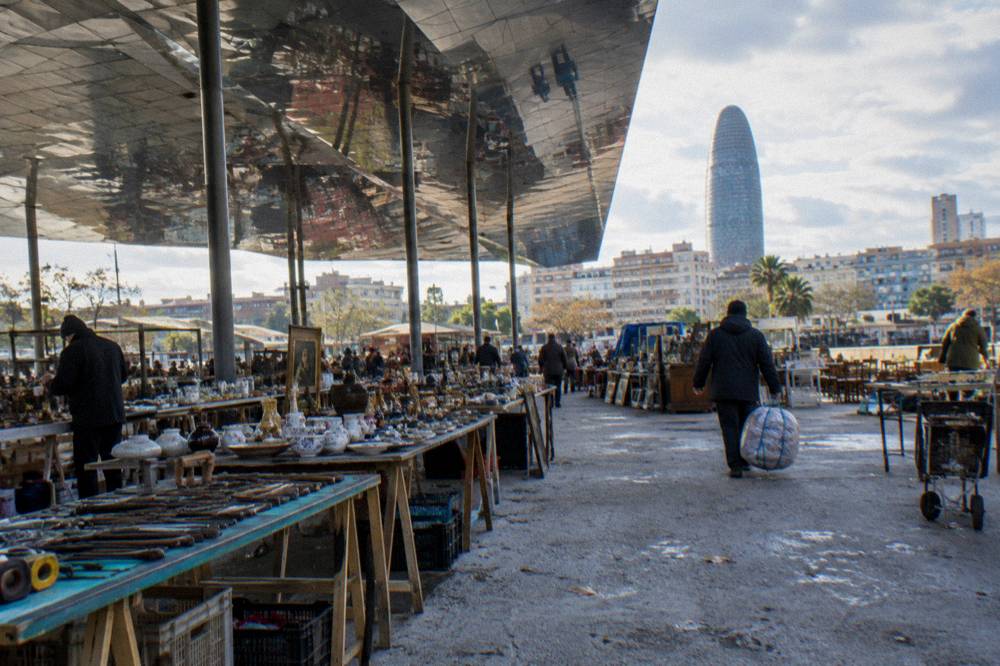
The Encants flea market is the slightly different case, and honesty matters here. It is free to enter and free to browse, but almost everything inside exists to be sold: second-hand goods, antiques, clothes and bric-a-brac. Browsing costs nothing. Buying is between you and the stallholder. That is the only condition, and it travels with the sentence rather than hiding further down the page.
Two practical notes round this out. First, the markets on this page are the ones with fact records behind them: the Boqueria, Sant Antoni, Santa Caterina, Gràcia, Encants, Barceloneta and Concepció. Other neighbourhood markets exist across the city on the same free-entry principle. Second, none of this makes a market a paid attraction in disguise; there is no minimum spend, no wristband and no gate, at any of them.
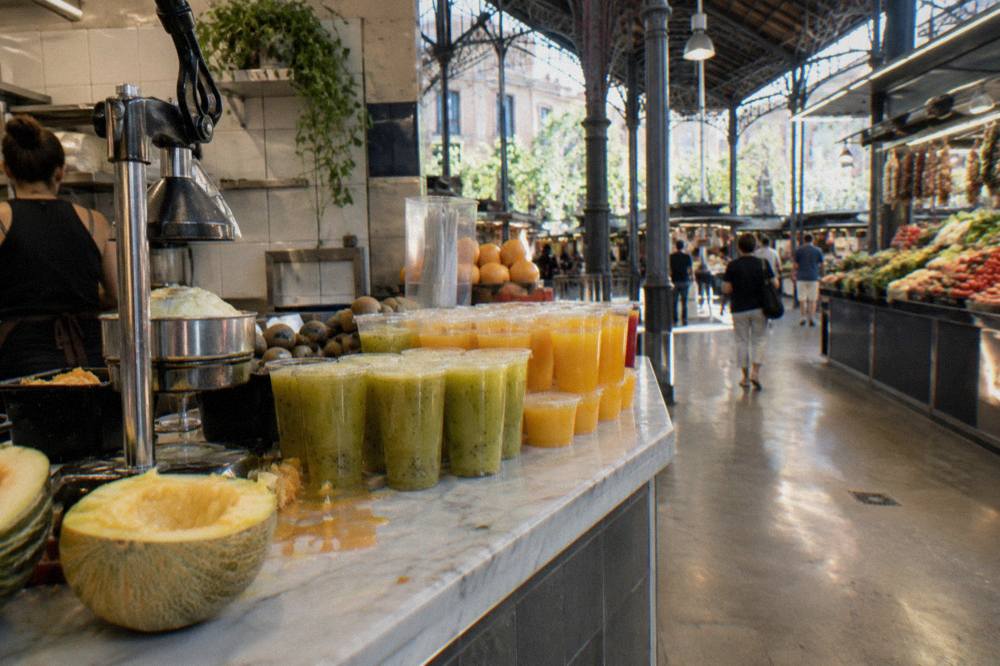
The free-entry rule has a pleasant side effect for anyone building a cheap day in Barcelona. You can string together a market, a church exterior, a square and a viewpoint and spend nothing until you choose to. Markets are also the places where spending feels least compulsory: a coffee at a market bar is a decision, not an entrance condition, and skipping it changes nothing about your access to the hall.
Which Market Is Best For Which Kind Of Visit?
Pick by neighbourhood and by what the market sells. The Boqueria is the famous hall on La Rambla, best paired with a Gothic Quarter wander. Sant Antoni suits a local, non-central visit. Santa Caterina sits in El Born beside the arcades. The Encants is the flea market for second-hand browsing, Gràcia's market anchors that neighbourhood's squares, Barceloneta's market sits by the port, and the Concepció serves the Eixample grid.
The honest way to choose is to decide what the visit is for. Somebody who wants the postcard market, all colour and crowd, walks to the Boqueria off La Rambla and gets exactly that. Somebody who wants to see Barcelonans doing a normal shop heads to Sant Antoni or the Concepció, where the produce and the fish counters are the same idea with fewer cameras. Neither choice costs a cent to make.
| Market | Neighbourhood | What It Is Best For |
|---|---|---|
| Mercat de la Boqueria | La Rambla, Barri Gòtic side | The famous hall, fruit, juices, market bars |
| Mercat de Sant Antoni | Sant Antoni | A restored neighbourhood hall, weekend book market outside |
| Mercat de Santa Caterina | El Born | The coloured-roof hall beside the Ciutadella side of El Born |
| Mercat dels Encants | Plaça de les Glòries | Flea market, antiques and second-hand browsing |
| Mercat de la Gràcia | Gràcia | A local market in the village-like district |
| Mercat de la Barceloneta | Barceloneta | Produce near the port and the beach |
| Mercat de la Concepció | Eixample | A everyday hall inside the grid of streets |
Neighbourhood is the real decider, because each market belongs to a district that rewards walking. The Boqueria belongs to the Rambla and Gothic Quarter world, where the free walks cluster. Santa Caterina belongs to El Born, whose medieval streets and the Ciutadella park sit around it. The Encants sits at Glòries, and the Barceloneta market belongs to the waterfront streets that lead down to the sand, all of it public space that costs nothing.
This is also where the free walking tours earn their place, because they start at the landmarks these markets sit beside. All 46 free walking tours on GuruWalk in this city are free, pay what you want, and several of them meet within the market neighbourhoods themselves. The Ramblas to Gaudí Highlights walk, rated 4.91 out of 5 across 4,761 GuruWalk reviews, meets at Plaça de Catalunya, the top of La Rambla, from which the Boqueria's hall sits further down the same street. It runs 2 hours 15 minutes in English and Spanish, and its GuruWalk page flags costs beyond the tip, for example an entry ticket inside the walk, so read that page before reserving.
“Fantastic tour with Paula!!! My friend and I had an excellent experience learning about Barcelona and seeing some beautiful landmarks. The tour route was very intentional and Paula is very entertaining. Paula also sends out a personal list of her favorite spots, so I can't wait to come back to Barcelona and try all of her wonderful recommendations.”
For El Born and Santa Caterina, the walks meeting at Arc de Triomf put you at the edge of that neighbourhood, and the 10+ Hidden Gems History Tour, rated 4.82 out of 5 across 203 GuruWalk reviews and running in English, starts at Passeig de Picasso by Ciutadella. Language matters when choosing: some walks run in Spanish only, and this site states a walk's language plainly so you never book the wrong one. Every walk named on this page carries its language beside it.
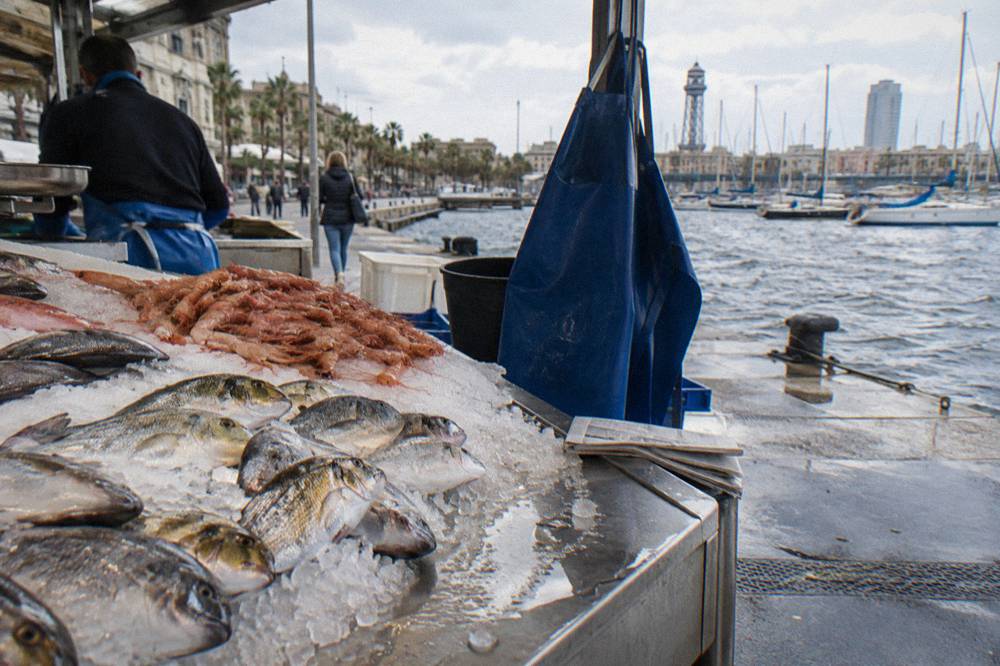
Gràcia and Barceloneta round out the map. The Gràcia market sits in the district of small squares where the Gracia and the First Gaudí walk, rated 4.94 out of 5 across 94 GuruWalk reviews, starts, running in Spanish. The Barceloneta market serves the port neighbourhood, and the Barceloneta Beach Walk, rated 4.69 out of 5 across 55 GuruWalk reviews, meets at Passeig de Colom by Port Vell in English and Spanish. In each case the market and the walk share a neighbourhood, which is what makes the combination work.
| Place | Free Or Ticketed | What Is Free | What You Still Pay For |
|---|---|---|---|
| Mercat de la Boqueria | Free | Free to walk through; you pay only for what you buy. | Nothing. There is no ticket to buy here. |
| Mercat de Sant Antoni | Free | Free to enter; the Sunday book and collectables market runs outside. | Nothing. There is no ticket to buy here. |
| Mercat de Santa Caterina | Free | Public market, free to enter. | Nothing. There is no ticket to buy here. |
| Mercat dels Encants | Free | Public market, free to enter. | Nothing. There is no ticket to buy here. |
| Mercat de la Barceloneta | Free | Public market, free to enter. | Nothing. There is no ticket to buy here. |
What Do You Pay For Inside A Market?
You pay for goods, food and drinks, nothing else. Inside a Barcelona market your money goes to stallholders: produce, seafood, cheese, charcuterie, juices, market-bar meals, and at the Encants flea market, second-hand goods and antiques. There is no entry charge, no cover and no obligation at any market in this guide. Prices are per item, set by each stall, and no market on this page carries a stated price range we can publish.
That last point deserves plain words. This site publishes figures only where an official source states them, and the market stalls of Barcelona price their goods individually, stall by stall, day by day. A juice at the Boqueria, a coffee at a bar, a wedge of cheese at Sant Antoni: each is priced on the spot. Treat anything you read elsewhere about "typical" market prices as a rough planning idea, and check the counter for the real figure.
What you can plan is the structure of the spending. At the produce halls, the Boqueria, Sant Antoni, Santa Caterina, Gràcia, Barceloneta and Concepció, the money goes on food and drink. At the Encants, the money goes on objects: furniture, clothes, books, records, the shifting stock of a flea market. Neither kind of market charges you to look, and neither rewards arriving with a budget theory. Arrive with an appetite or an eye, and decide at the stall.
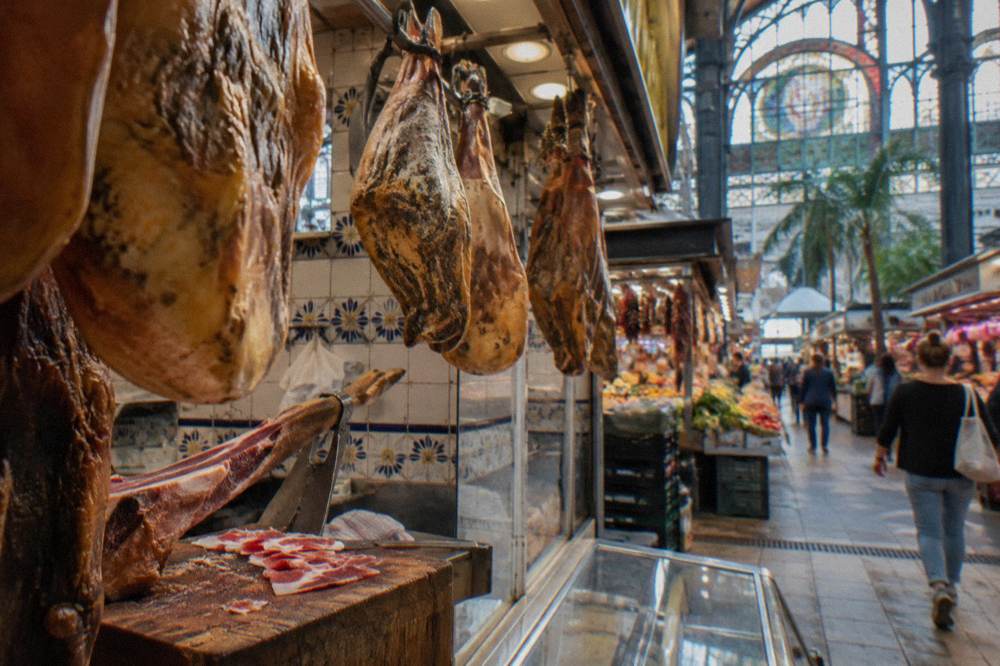
The free-versus-paid split inside a market visit is therefore simple, and it mirrors the way this site treats the whole city. Walking the hall is the free part, like walking the Barri Gòtic. The purchase is the paid part, like a timed ticket for an interior. Keeping the two separate in your head stops the most common market mistake, which is treating a busy famous hall as an attraction with an implied fee. It has none.
One seasonal note belongs here rather than anywhere else. From 1 April 2026 the city's tourist tax applies per night at EUR 7 for most establishments, EUR 8.40 at four-star hotels, EUR 9.50 at holiday lets and EUR 12 at five-star properties, per the Ajuntament. That tax has nothing to do with markets, but it is the one unavoidable cost in a Barcelona visit, and knowing it exists makes the free-entry fact about markets more valuable, not less.
A market lunch is the classic mid-walk stop, and the free walks pair with it naturally. The walks on this site are free, pay what you want, reserved on GuruWalk: that is the whole mechanic, and it means the money you carry can go to a stallholder instead of a ticket office. The Gothic Quarter and Born Free Tour, rated 4.91 out of 5 across 23,047 GuruWalk reviews, meets at Plaça Nova by the Cathedral, 2 hours 15 minutes in English and Spanish, from which the Barri Gòtic streets lead down toward the Boqueria's end of La Rambla.
When Are The Markets Open?
Market hours in Barcelona are set by each market, and this guide publishes no invented opening times. The honest answer is that each hall keeps its own schedule, published by the Ajuntament's market pages, and that schedules shift around public holidays. Check the market's own page on barcelona.cat before you plan a day around it, and treat any fixed hours you remember from an old guidebook as unverified.
The refusal to print hours is deliberate. Hours for the seven markets here were not read from an official page in a form this site can publish, and a wrong hour is worse than no hour: it costs a wasted trip across the city. What can be said with confidence is structural. Produce markets trade in daytime. The Encants flea market keeps its own pattern. Public holidays change things. That is the reliable shape of it, and the Ajuntament holds the detail.
| Planning Question | Where The Answer Lives |
|---|---|
| Is a specific market open today? | The market's page on barcelona.cat |
| Do holidays change market schedules? | Yes, public holidays affect schedules, check the market's own page |
| Is the entry ever conditional on hours? | No, entry is free whenever the market is open |
| Do the free walks run at fixed times? | Times live on each walk's GuruWalk page |
Season and time of day shape the market day more than any schedule detail. In winter, from November to March, the evening city changes around the markets: the Magic Fountain shows run Thursday, Friday and Saturday 20:00 to 21:00 after the annual maintenance stop ends and shows restart on 19 November 2026, per the Ajuntament, with choreographies at 20:00 and 20:30. A daytime market and an evening fountain show stack into one free day, and both parts of it cost nothing to watch or walk.
The walks' timing follows the same rule as the markets': the schedule lives on the operator's page, never in a guide's memory. Each walk on this site has its own GuruWalk page carrying its departure times, and that is where to look when building a day. What the walking tours on this site do state is duration, which is planning gold: 2 hours 15 minutes for the big Gothic Quarter walks, 2 hours for the night tours, 3 hours for the long Montjuïc walks. Slot a market before or after, not during.
One more timing fact worth carrying: the first Sunday of the month makes fifteen city museums free for everyone, with booking required at Museu Picasso and CCCB, and about a dozen venues are free every Sunday from 15:00, each with its own window, per the Ajuntament. A Sunday can therefore run market in the morning, museum after 15:00, fountain after dark in winter, all on the free side of the ledger. The windows differ per venue, so name the venue's own window when you plan, and see our First Sunday Free Museums In Barcelona guide for the full scheme.
How Do You Combine A Market With A Walk?
Match the market to where your free, pay-what-you-want GuruWalk meets: a walk starting at Plaça de Catalunya puts you at the top of La Rambla, the Boqueria's street, one at Plaça Nova by the Cathedral puts you in the Barri Gòtic, and one at Arc de Triomf puts you at the edge of El Born and Santa Caterina, so the pairing costs nothing until you tip or buy.
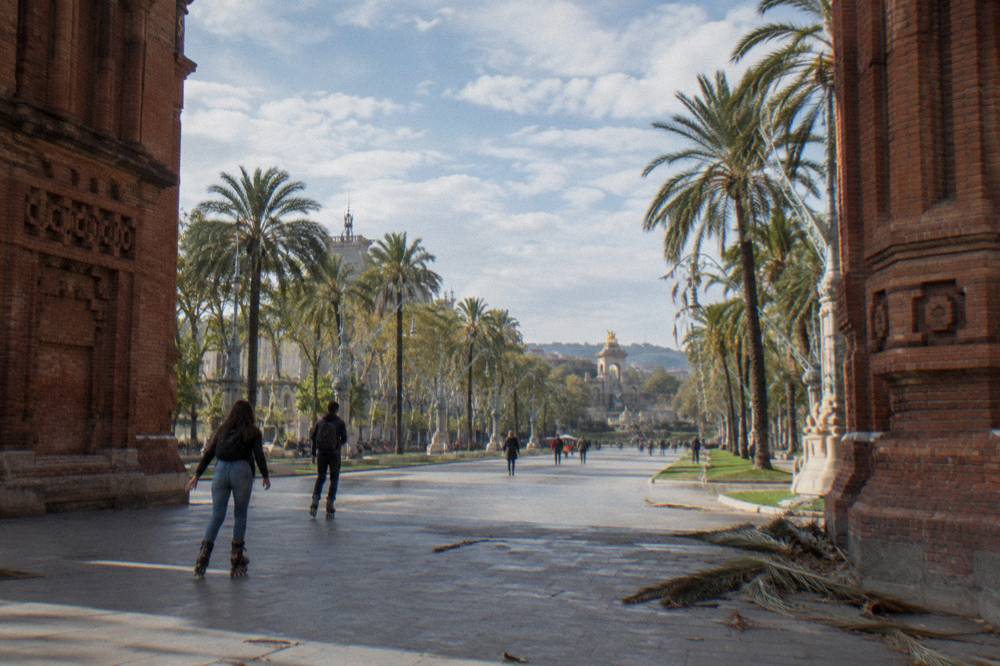
The mechanics are kind to planners. Reserve the walk on GuruWalk, note the meeting point exactly as the walk listing states it, for example "Plaça de Catalunya" or "Plaça Nova, Cathedral", and build the market stop around the walk's stated duration. A 2 hour 15 minute walk that meets at Plaça de Catalunya leaves the rest of the day for the Boqueria and the Rambla. A 2 hour walk from Arc de Triomf leaves El Born and Santa Caterina on the way out.
| Walk | Meets At | Duration | Language | Rating On GuruWalk |
|---|---|---|---|---|
| Gothic Quarter and Born Free Tour | Plaça Nova, Cathedral | 2 hours 15 minutes | English and Spanish | 4.91 out of 5 across 23,047 reviews |
| Gothic Quarter and El Born Intro | Plaça de Catalunya | 2 hours | English and Spanish | 4.68 out of 5 across 3,827 reviews |
| Ramblas to Gaudí Highlights | Plaça de Catalunya | 2 hours 15 minutes | English and Spanish | 4.91 out of 5 across 4,761 reviews |
| Jewish Quarter Free Tour | Jaume I Metro | 2 hours | English and Spanish | 4.97 out of 5 across 382 reviews |
| 10+ Hidden Gems History Tour | Passeig de Picasso, Ciutadella | 2 hours | English | 4.82 out of 5 across 203 reviews |
The Gothic Quarter pairing is the deepest bench. The Gothic Quarter and Born Free Tour is the highest-volume walk among the free tours listed here, 4.91 out of 5 across 23,047 GuruWalk reviews, meeting at Plaça Nova by the Cathedral, and its neighbourhood is the one that contains the Boqueria's end of the world. The Gothic Quarter and El Born Intro, rated 4.68 out of 5 across 3,827 GuruWalk reviews, meets at Plaça de Catalunya and runs 2 hours in English and Spanish; its GuruWalk page flags costs beyond the tip, so check it before reserving. Our Gothic Quarter Free Walk guide lays out that district in full.
El Born pairs differently. The walks meeting at Arc de Triomf and Passeig de Picasso sit you beside Ciutadella and the Santa Caterina hall, and the Jewish Quarter Free Tour, rated 4.97 out of 5 across 382 GuruWalk reviews, meets at Jaume I Metro in English and Spanish, in the heart of the same medieval streets. For the evening version, the Night-Time Gothic Quarter Tour, rated 4.81 out of 5 across 1,336 GuruWalk reviews, meets at Passeig de Gràcia, 2 hours in English and Spanish, and turns the same district into a night walk, after which a market hall will have long since closed and the fountain or the squares take over.
Not every pairing is central. The walks in the Raval, Poble-sec and hidden barrios category meet at points like Avinguda del Paral·lel and Plaça de Catalunya, and the neighbourhoods they cover sit west and north of the Boqueria's Rambla. The Montjuïc walks meet at Plaça d'Espanya or central points stated on their GuruWalk pages, and Montjuïc hill and park are free while the castle and the cable car are separate, the castle free on Sundays from 15:00 and on the first Sunday of the month, open daily 10:00 to 18:00 in winter, closed 25 December and 1 January. Our Montjuïc For Free guide covers that hill in depth.
Mistakes That Trip People Up At Barcelona Markets
The recurring mistakes are treating a market as a ticketed attraction, trusting remembered opening hours, planning a winter sunset at the Bunkers after a market day, and assuming a Spanish-only walk suits an English-speaking visit. Every market here is free to enter and every hour must be checked on the market's own page. The Bunkers del Carmel close at 17:30 from October to April, and walk language is stated beside every walk name on this site.
The first mistake is the entry-fee assumption. Visitors who have paid for attractions all day arrive at the Boqueria braced for a charge, and the fix is simply knowing the rule: free to walk through, pay only for what you buy. The related version is assuming the Encants flea market charges, because flea markets elsewhere sometimes do. It does not; browsing is free and only the goods cost money.
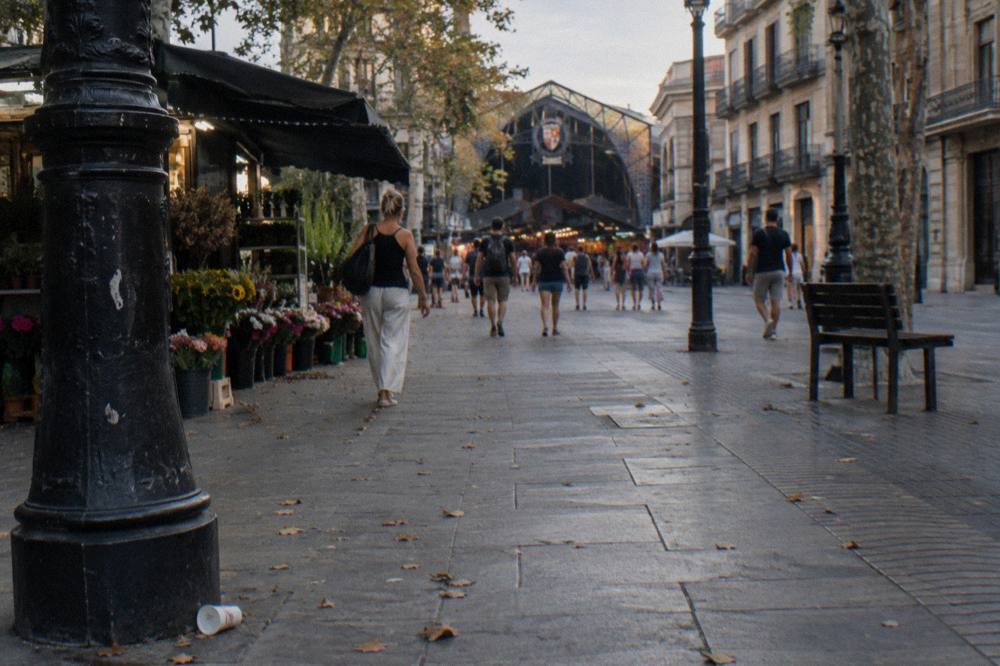
The second mistake is hours. Old guidebooks and remembered trips are not sources, and this guide prints no market hours because none were read on an official page in publishable form. The barcelona.cat market pages are the authority, and a two-minute check beats a cross-city walk to a shut hall. Holiday schedules shift, which is reason enough to check on the day.
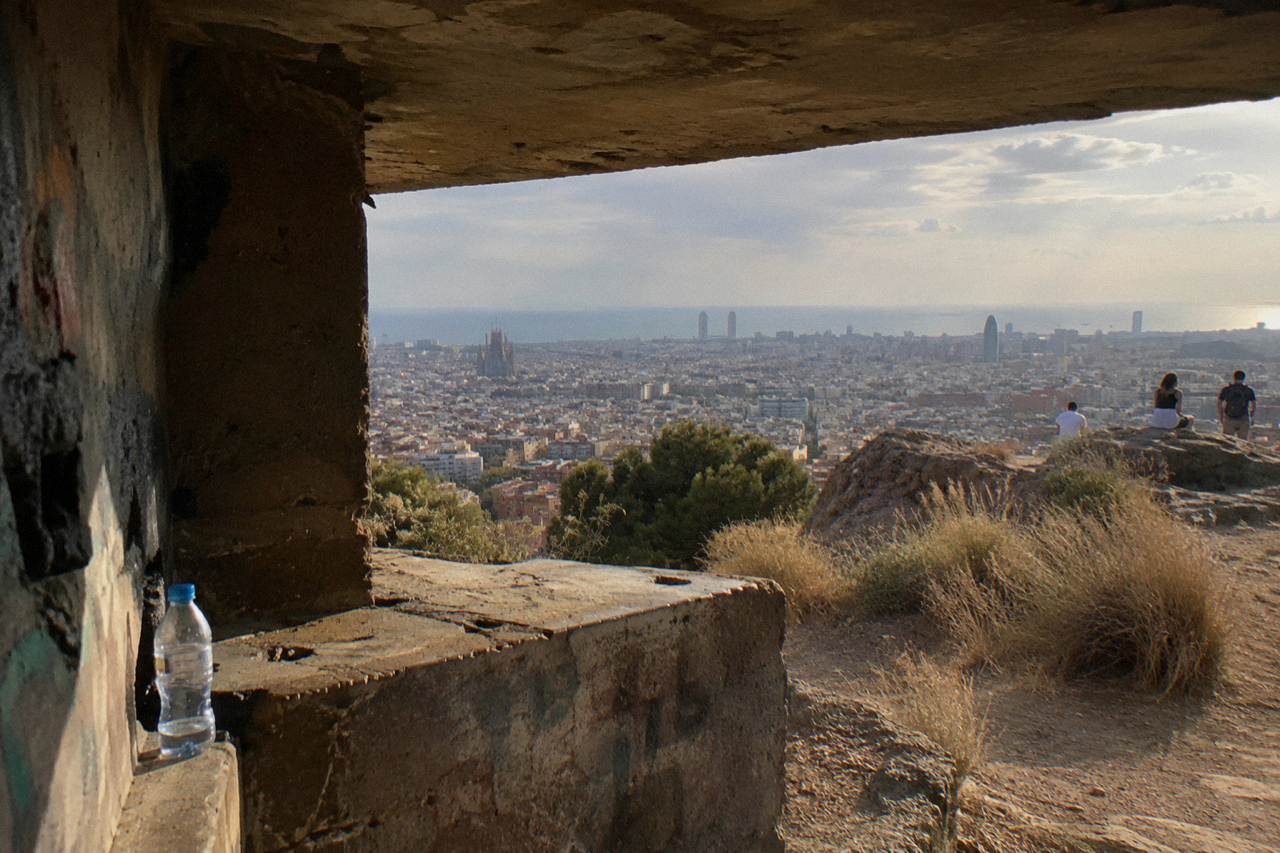
The third mistake is the winter evening plan. After a daytime market, the obvious free finisher is a viewpoint sunset, but the Bunkers del Carmel are fenced and gated, open 09:00 to 17:30 from 1 October to 30 April and 09:00 to 19:30 from 1 May to 30 September, closed outside those hours. Between October and April there is no sunset visit up there, and the Magic Fountain, Thursday to Saturday 20:00 to 21:00 in winter with restart on 19 November 2026, is the honest evening alternative.
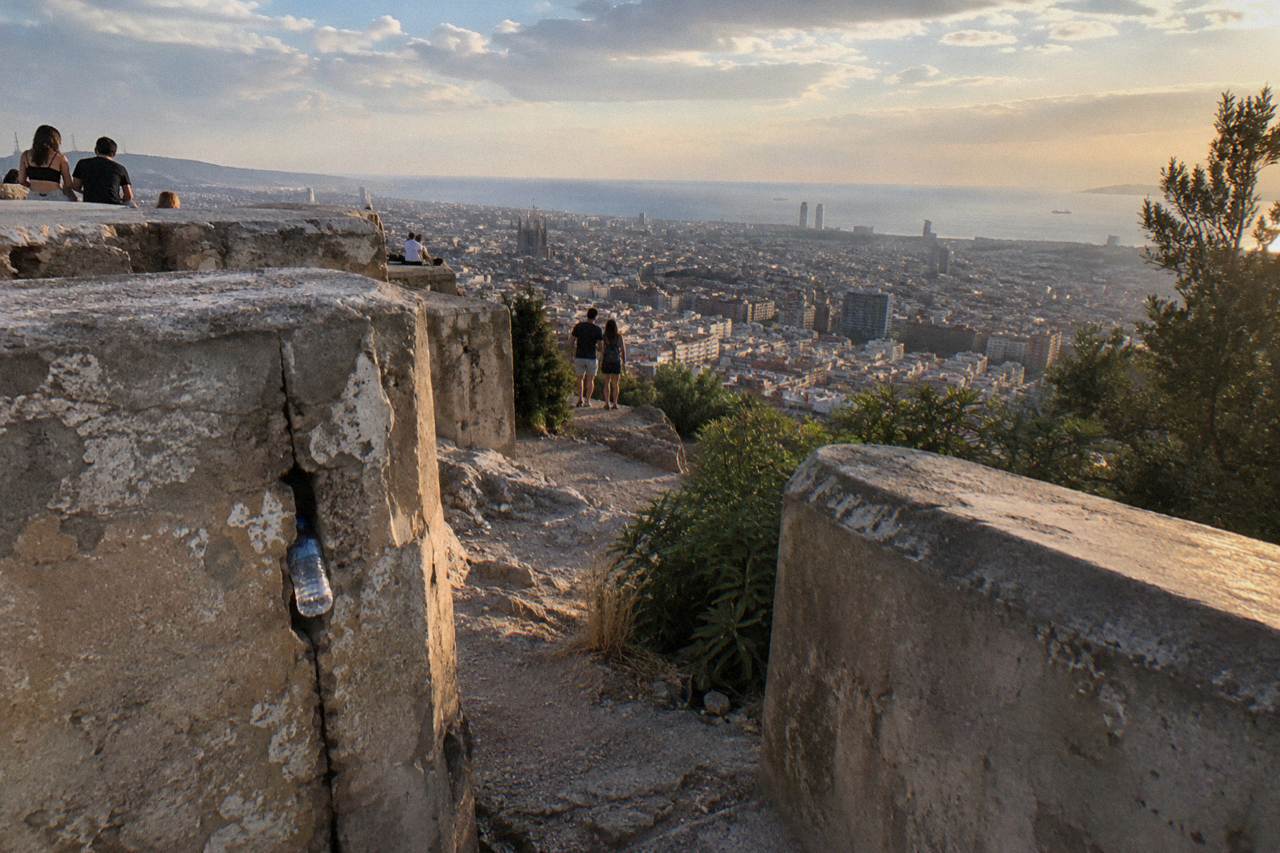
The fourth is walk language. A walk that runs in Spanish only is named with that language in the same sentence on this site, and an English speaker who books one has made a planning error no tip can fix. The reverse mistake is ignoring the flagged walks: several walks' GuruWalk pages flag costs beyond the tip, for example an entry ticket inside the walk, and the details live on those pages. The last mistake is skipping the market-bar lunch entirely: the hall is free, but the bar counter is where a market stops being scenery, and that spend, unlike the entry, is one worth making.
Common Questions About Barcelona Markets Guide
Are Barcelona Markets Free To Enter?
Yes. The Boqueria, Sant Antoni, Santa Caterina, Gràcia, Encants, Barceloneta and Concepció markets all cost nothing to walk into. You pay only for what you buy at a stall, and there is no ticket, gate or minimum spend at any of them.
Which Market Is Best For Which Kind Of Visit?
Pick by neighbourhood. The Boqueria is the famous hall on La Rambla; Santa Caterina sits in El Born; Sant Antoni is the restored local hall; the Encants is the flea market for second-hand browsing; Gràcia, Barceloneta and Concepció serve their own neighbourhoods. All are free to enter.
What Do You Pay For Inside A Market?
Only goods: produce, seafood, juices, market-bar food, and at the Encants, second-hand goods and antiques. Prices are set stall by stall on the day, so no reliable price range exists to publish. Entry itself never costs anything.
When Are The Markets Open?
Each market sets its own schedule, published on its page at barcelona.cat, and public holidays change things. This guide prints no hours because none were verified on an official page, so check the market's own page before planning a day around it.
How Do You Combine A Market With A Walk?
Anchor on the walk's meeting point. Walks meeting at Plaça de Catalunya pair with the Boqueria; Arc de Triomf walks pair with El Born and Santa Caterina; Plaça Nova, Cathedral walks sit in the Barri Gòtic. Every walk is free, pay what you want, reserved on GuruWalk.
Can You Visit A Market And A Free Museum On The Same Day?
Yes. On the first Sunday of the month, fifteen city museums are free for everyone, with booking required at Museu Picasso and CCCB, and about a dozen venues are free every Sunday from 15:00, each with its own window. A morning market plus a free-afternoon museum stacks neatly.
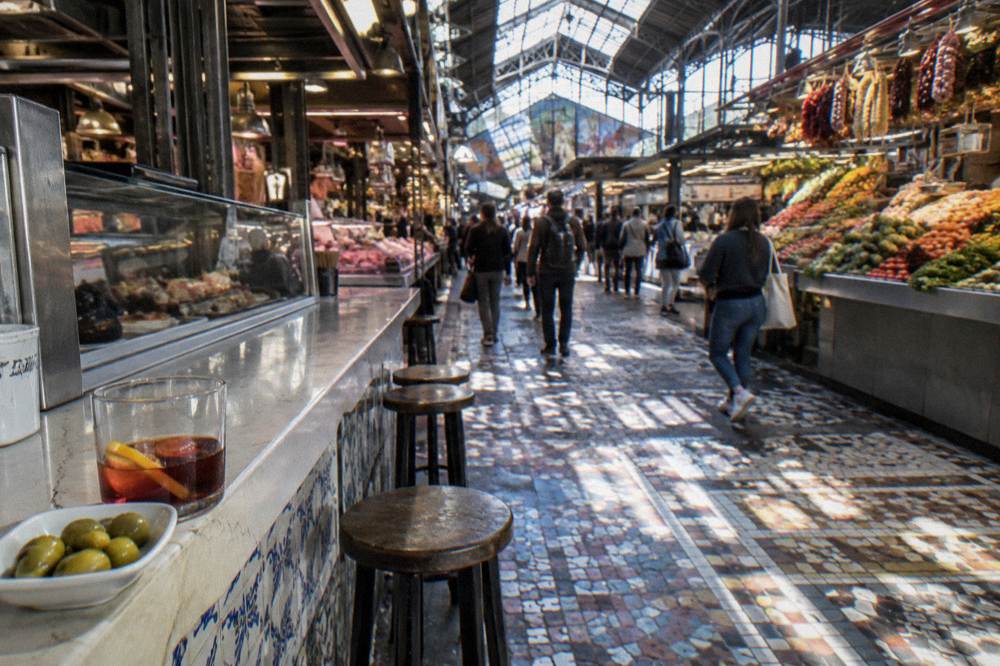
The whole market network sits inside walkable public space, and Free Things To Do In Barcelona covers every district these halls belong to, from the Gothic Quarter to the beach. Reserve a walk, note its meeting point, keep the market bar in reserve, and let the city's mercats do the rest.